RückbauDismantling
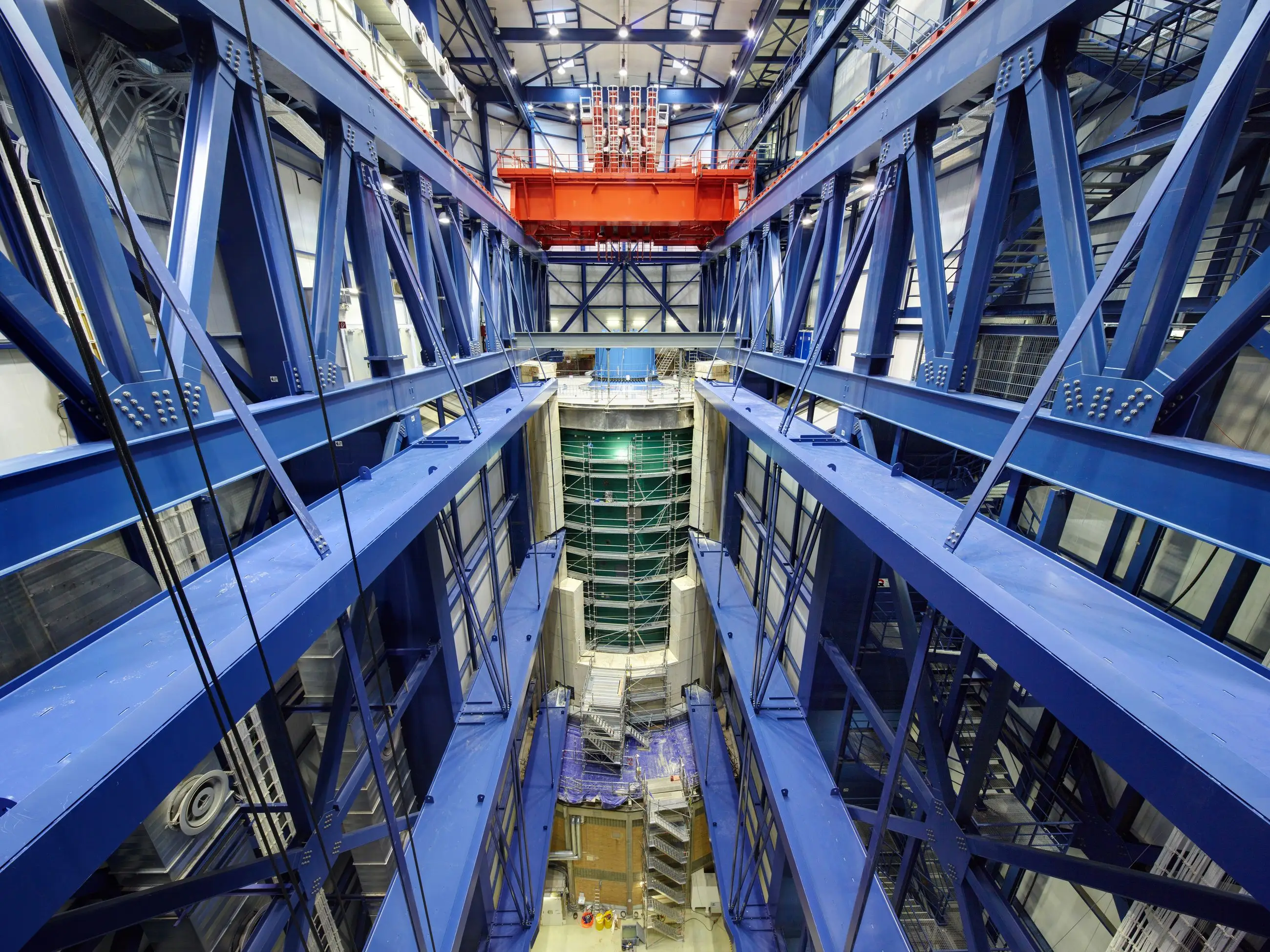
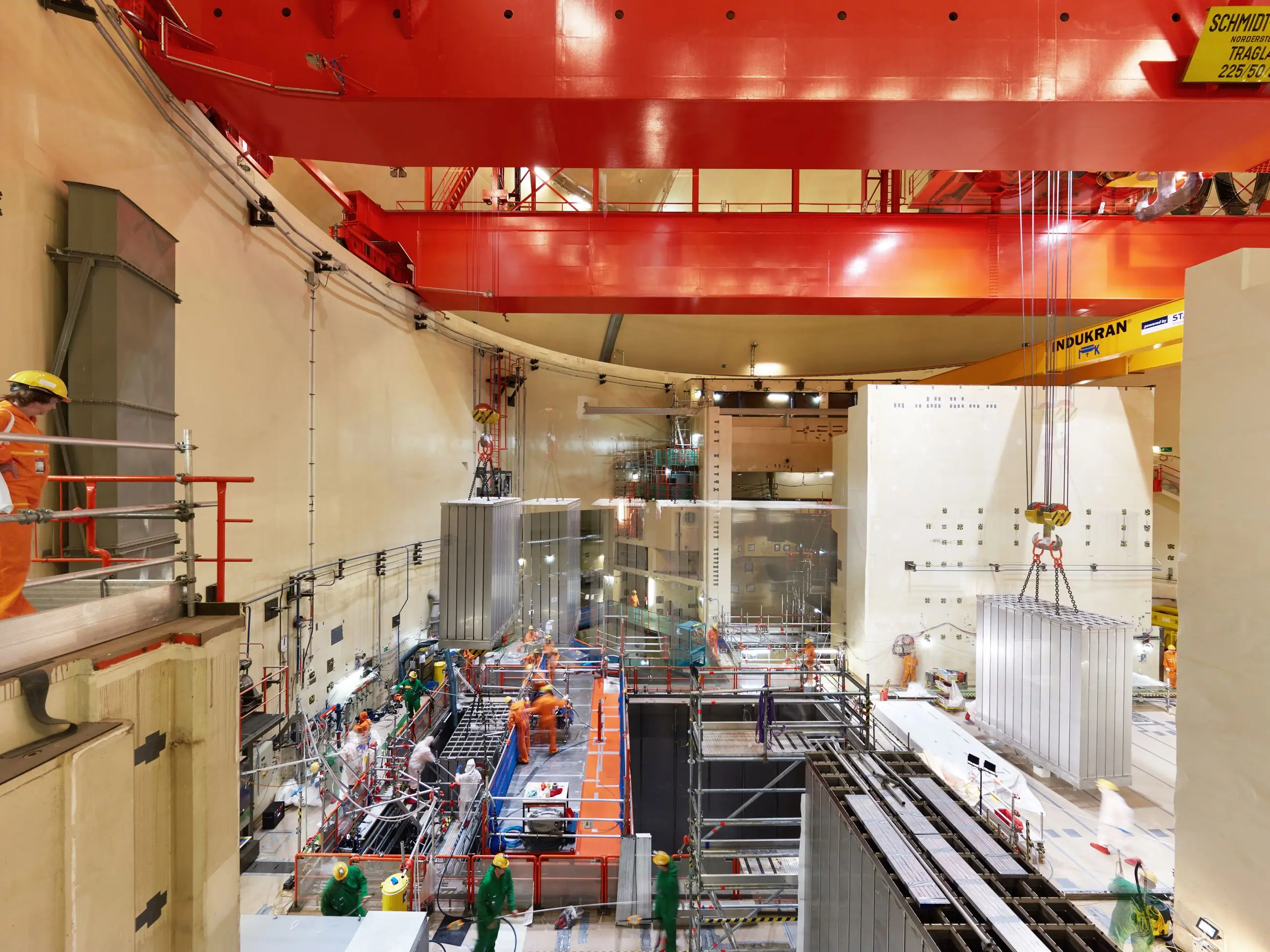
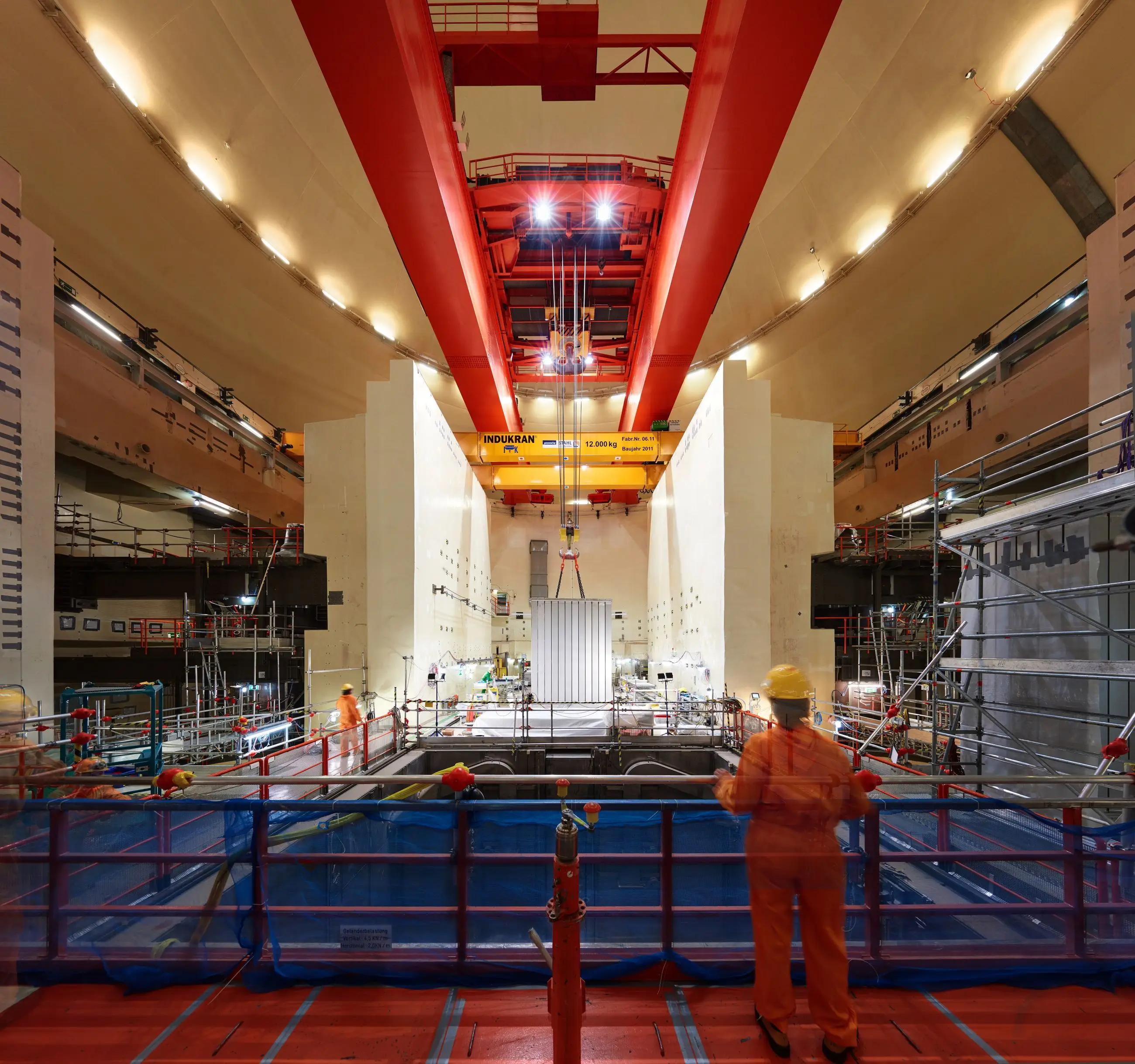
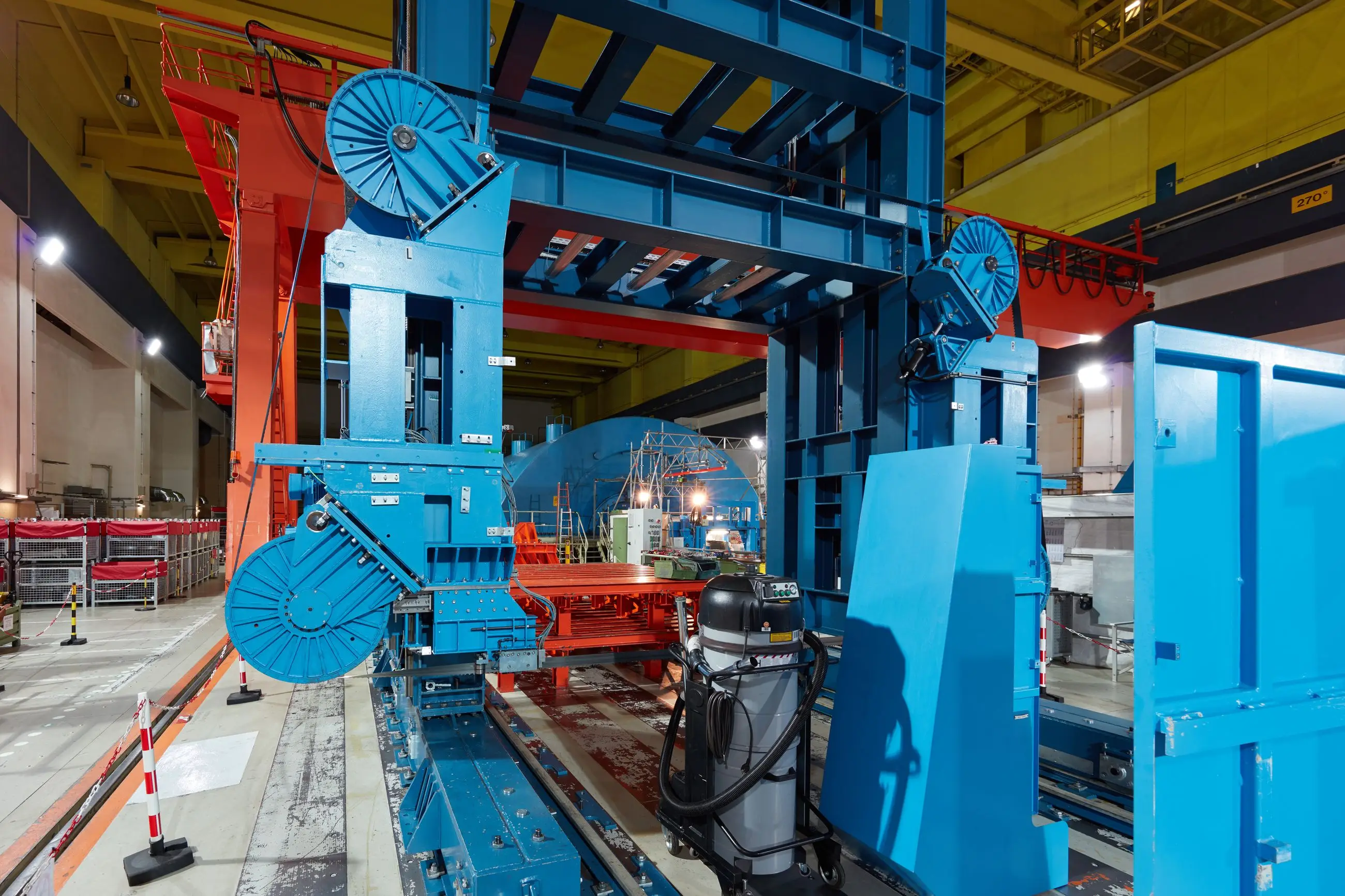
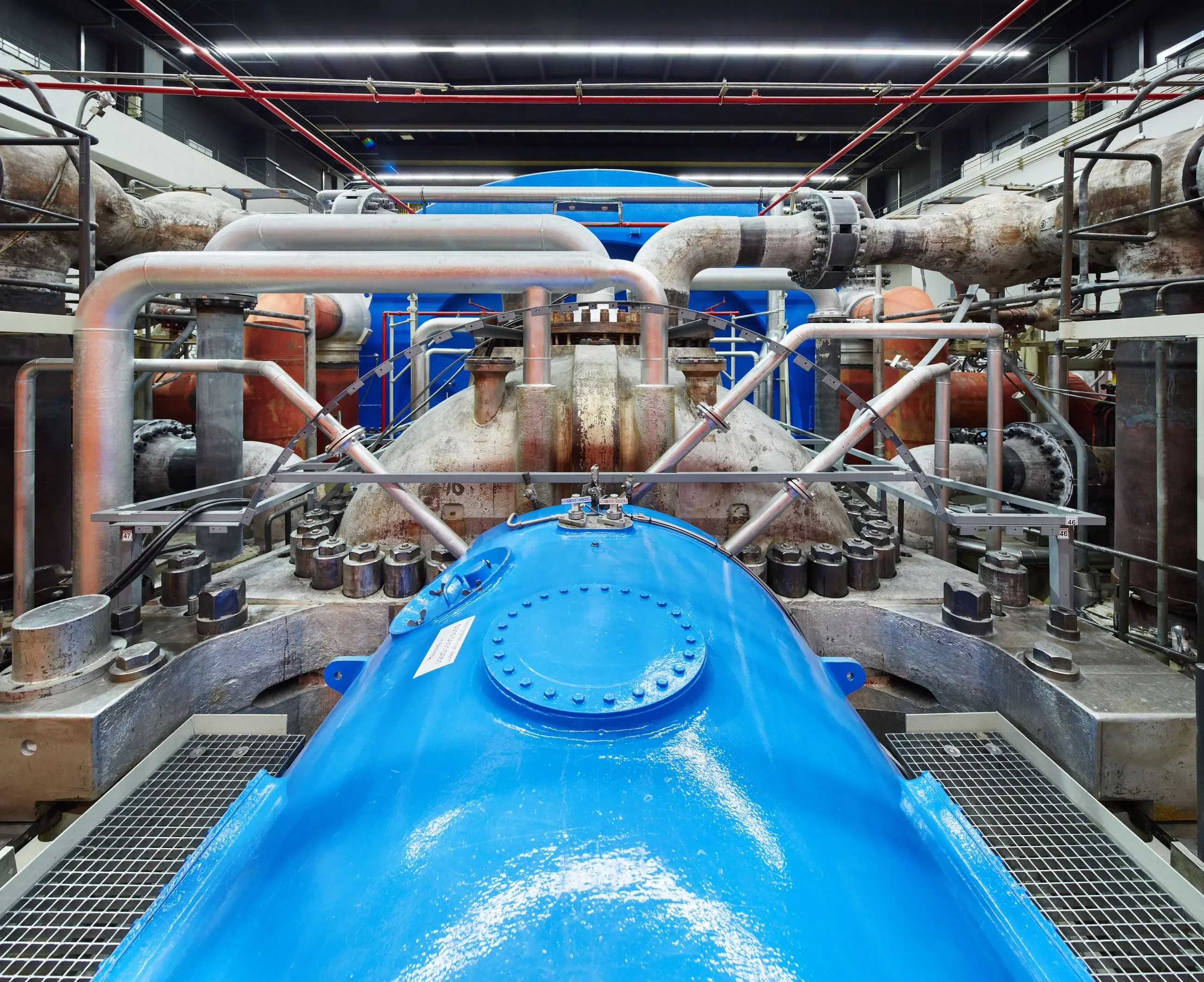
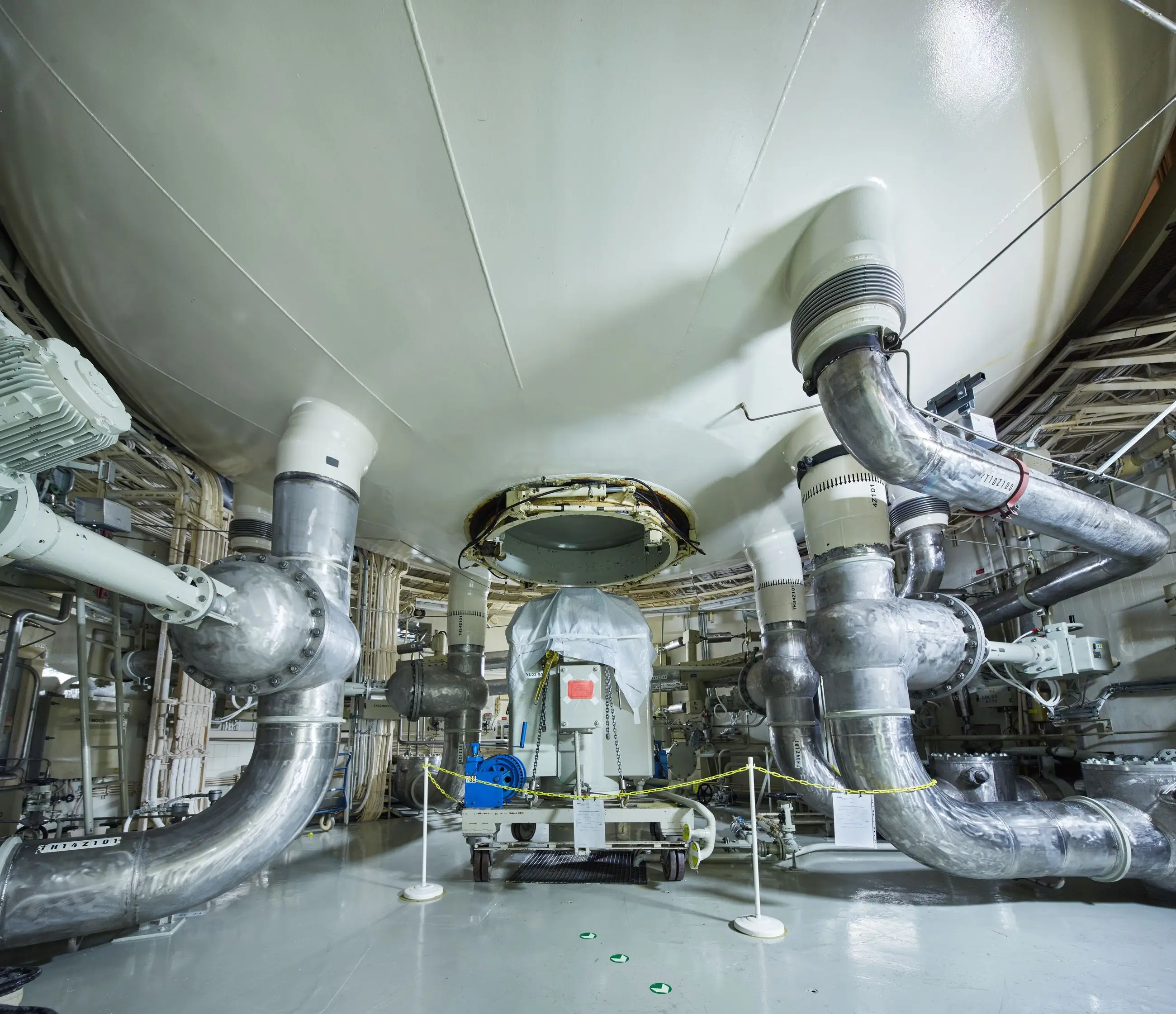
Mit der Stilllegung eines Kernkraftwerks beginnt ein Prozess, der häufig länger dauert als sein Bau. Zunächst werden die Brennelemente entfernt, anschließend kontaminierte Systeme und Bauteile schrittweise zerlegt, dekontaminiert und entsorgt. Der Rückbau erfolgt dabei im Wesentlichen von innen nach außen, bis schließlich auch die Gebäudehülle abgebrochen oder einer neuen Nutzung zugeführt werden kann. Ziel ist oft eine sogenannte grüne Wiese. Decommissioning a nuclear power plant begins a process that often takes longer than its construction. First, the fuel elements are removed; contaminated systems and components are then gradually dismantled, decontaminated and disposed of. Decommissioning proceeds largely from the inside out, until eventually the building shell itself can be demolished or put to a new use. The aim is often to return the site to so-called greenfield status.
BeobachtungenObservations
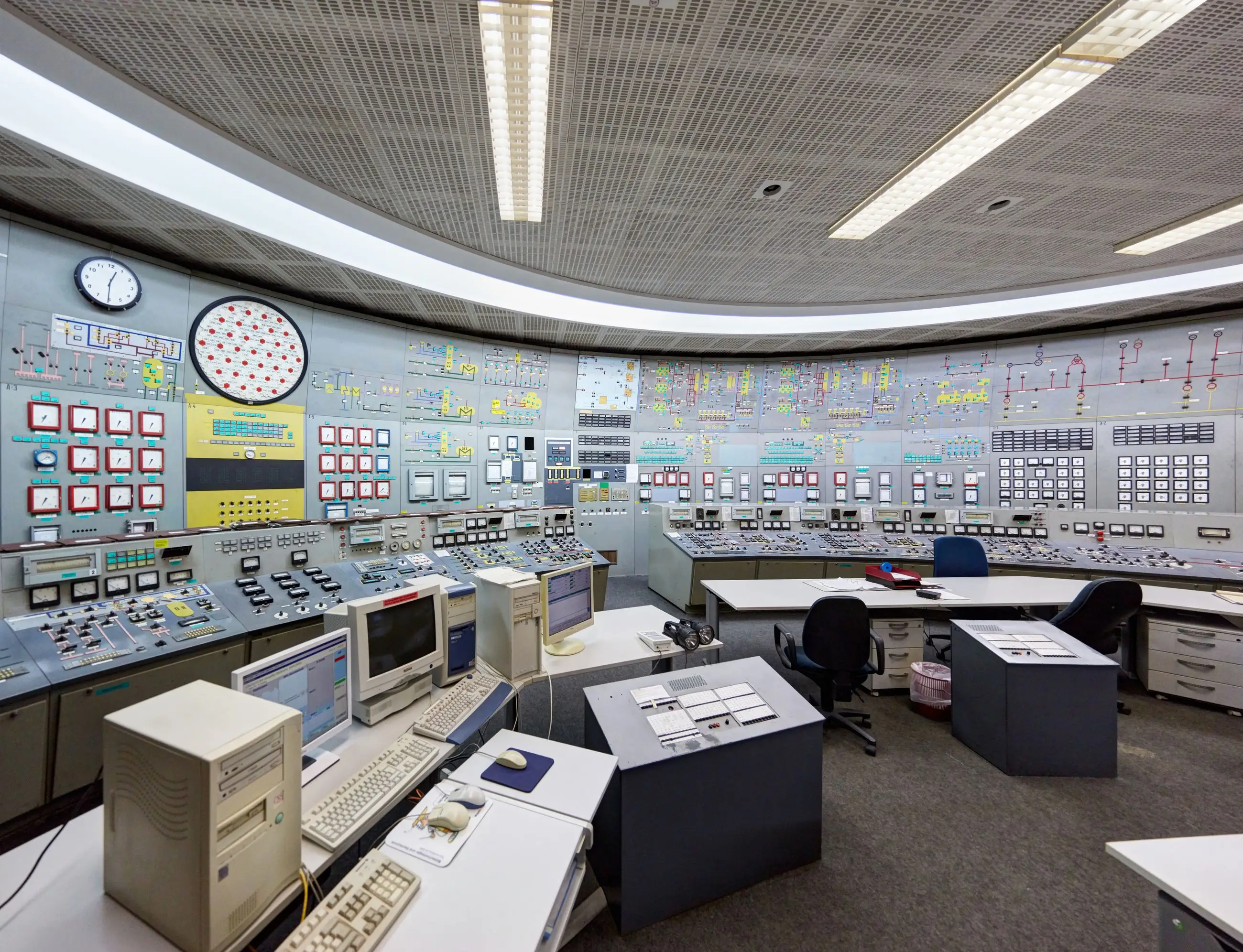
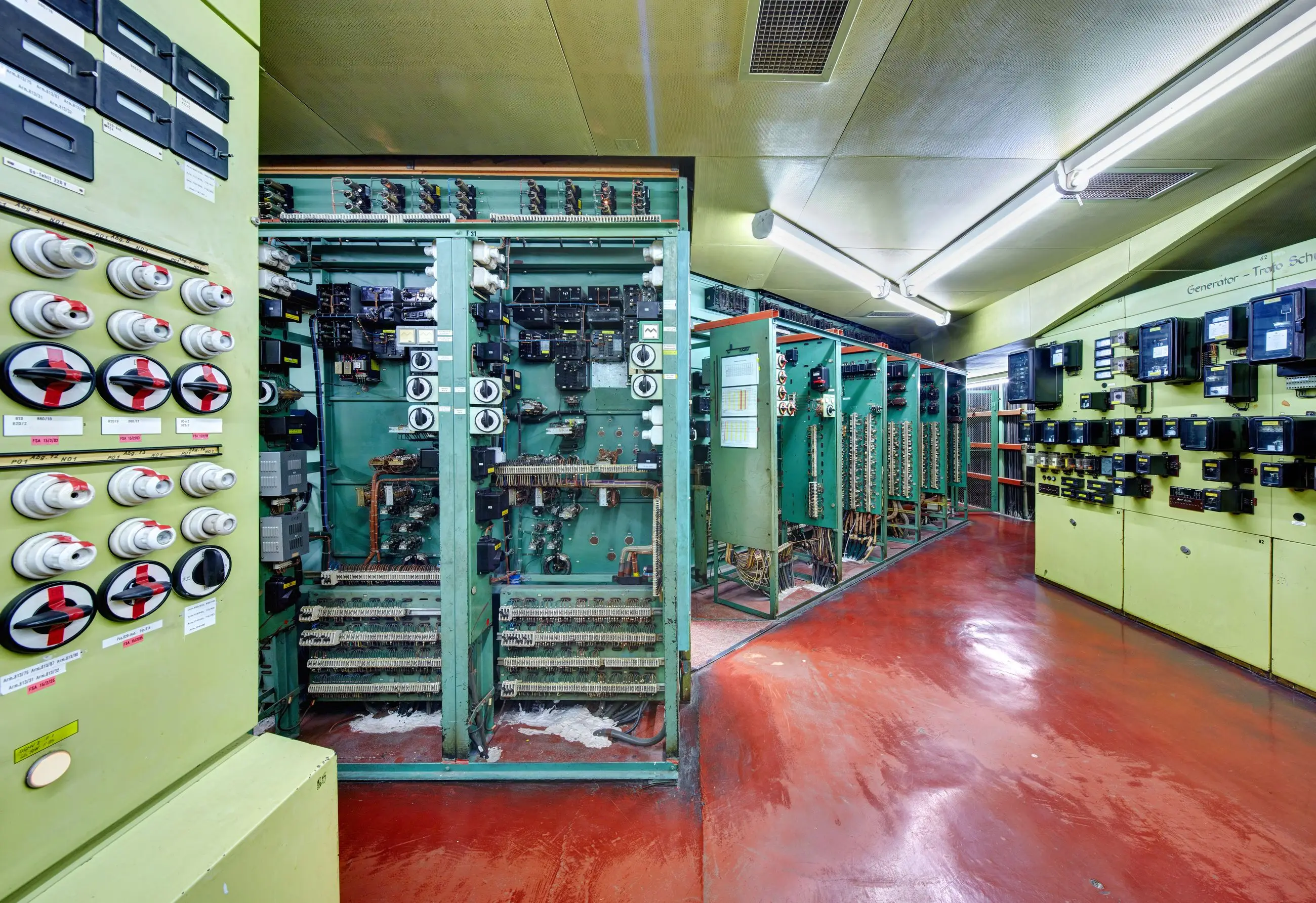
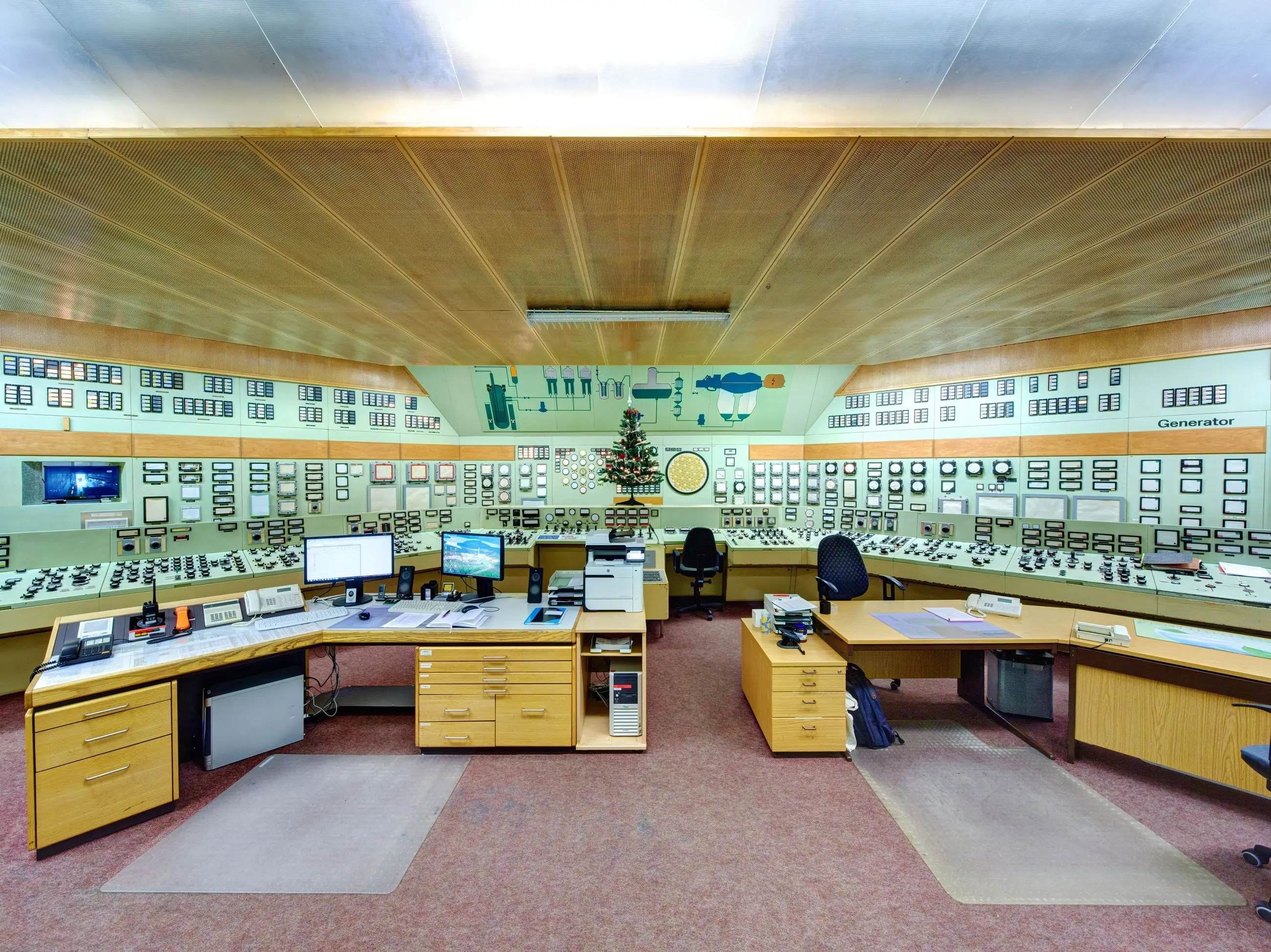
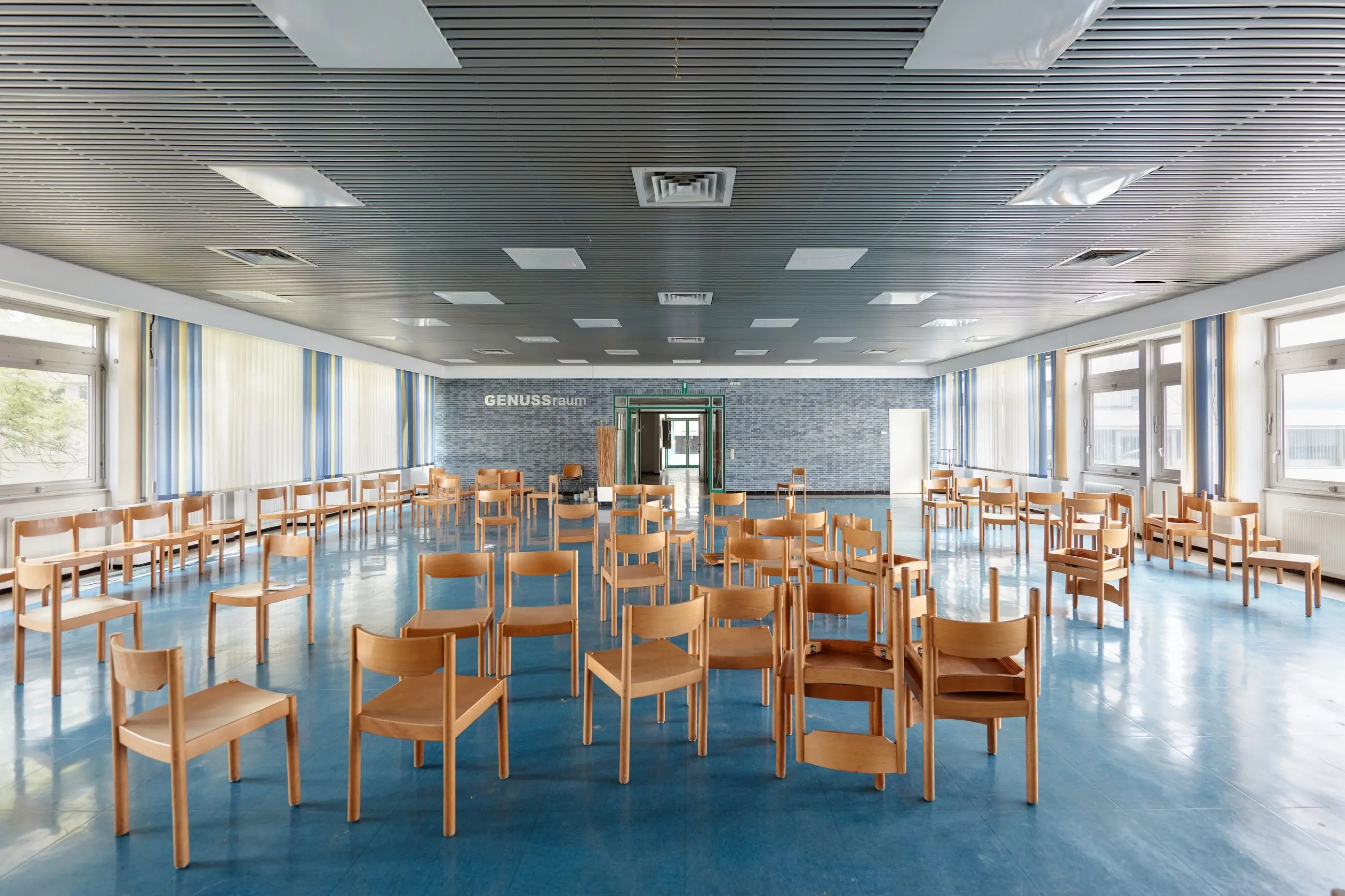
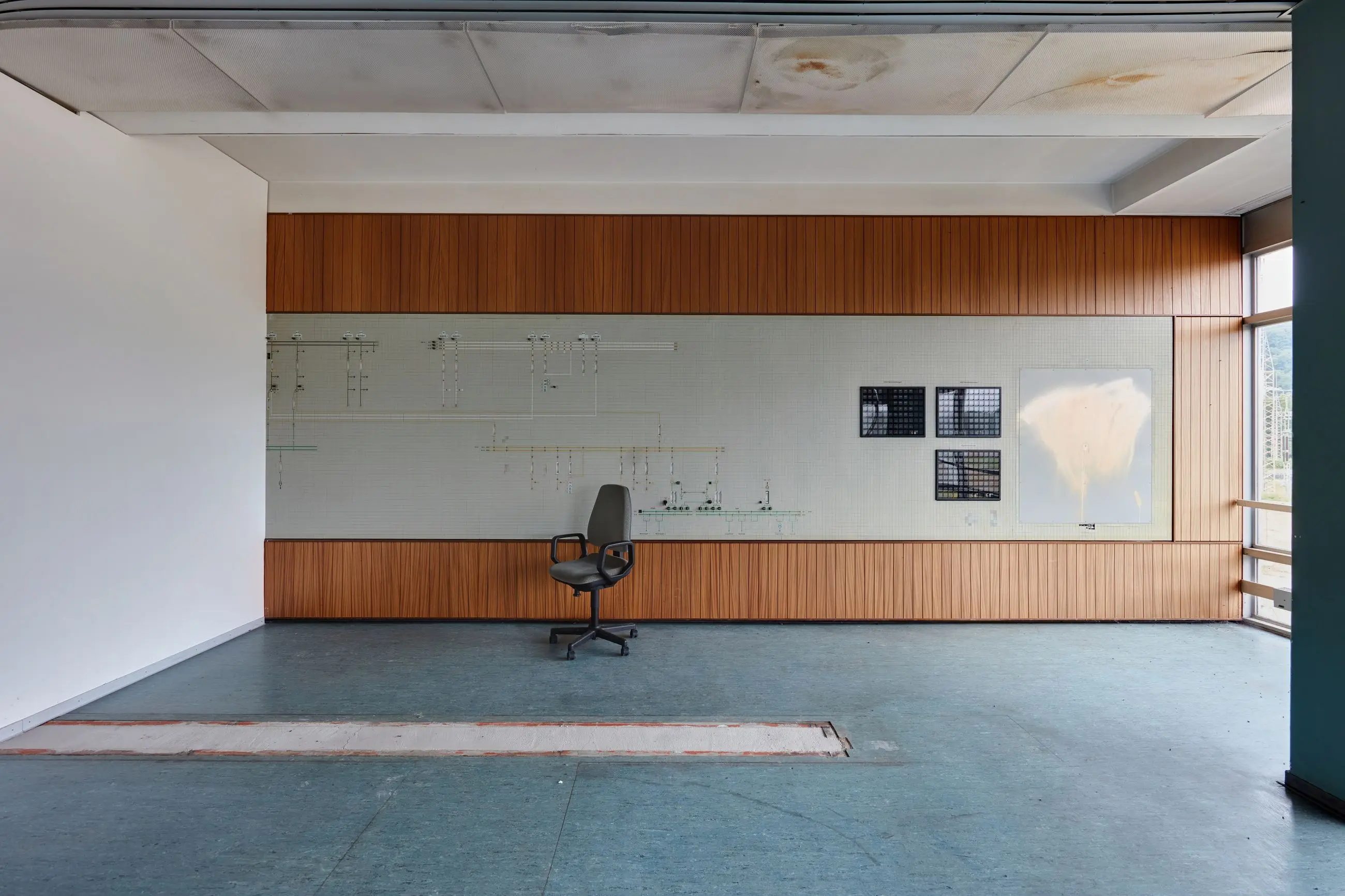
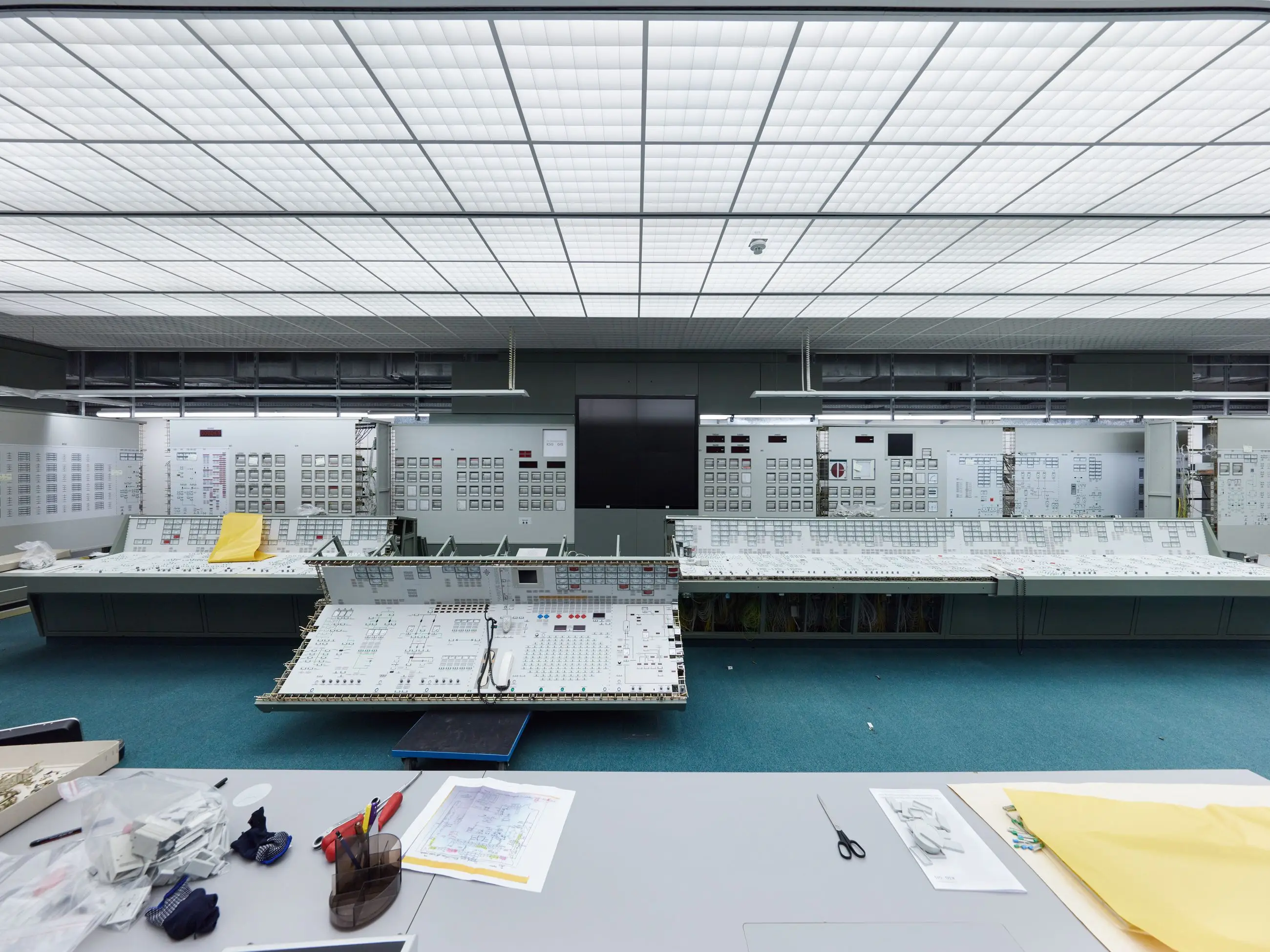
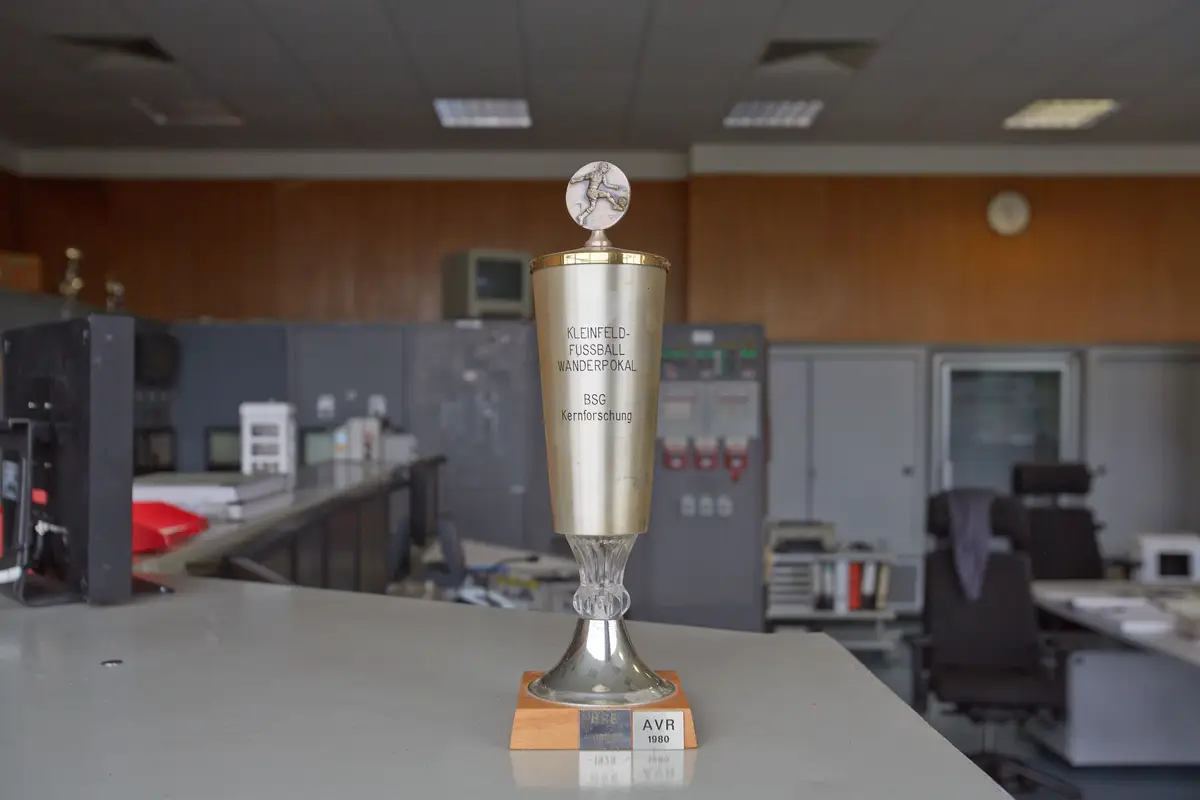
Kernkraftwerke im Rückbau verströmen eine gewisse Melancholie. Auch wenn der Prozess Jahrzehnte dauert und die Arbeit dort oft spannender als in vielen anderen Bereichen ist, handelt es sich um ehemalige Orte, deren eigentliche Funktion erloschen ist. Ziel aller Arbeit ist, den Arbeitsplatz verschwinden zu lassen. Der Personalstand verringert sich immer weiter. Leitstände verlieren ihre Aura, wenn die Bedienelemente abgebauter Teile durch Plastikkacheln ersetzt werden. Ein bei Null stehender Leistungsanzeiger ist sogar mit Abschaltdatum und Trauerschleife versehen. Fotos aus der aktiven Zeit, auf denen der Reaktorkern blau leuchtet, vergilben an der Wand. Fußballpokale längst aufgelöster Betriebssportmannschaften stehen in Regalen.
Nuclear power plants that are being decommissioned have an air of melancholy. Even if the process of decommissioning takes decades, and the task is often more exciting than many other lines of work, these are places that have lost their original purpose, and the aim of all the work being done there is to make the workplace itself disappear. Staff numbers decline; consoles lose their aura of control as switches that controlled long-dismantled components are replaced by plastic tiles that do nothing; a power indicator displaying zero is even adorned with a black ribbon showing its switch-off date. Photos of the blue glowing reactor core turn yellow on the wall. Trophies won by long-disbanded company football teams gather dust on the shelves.
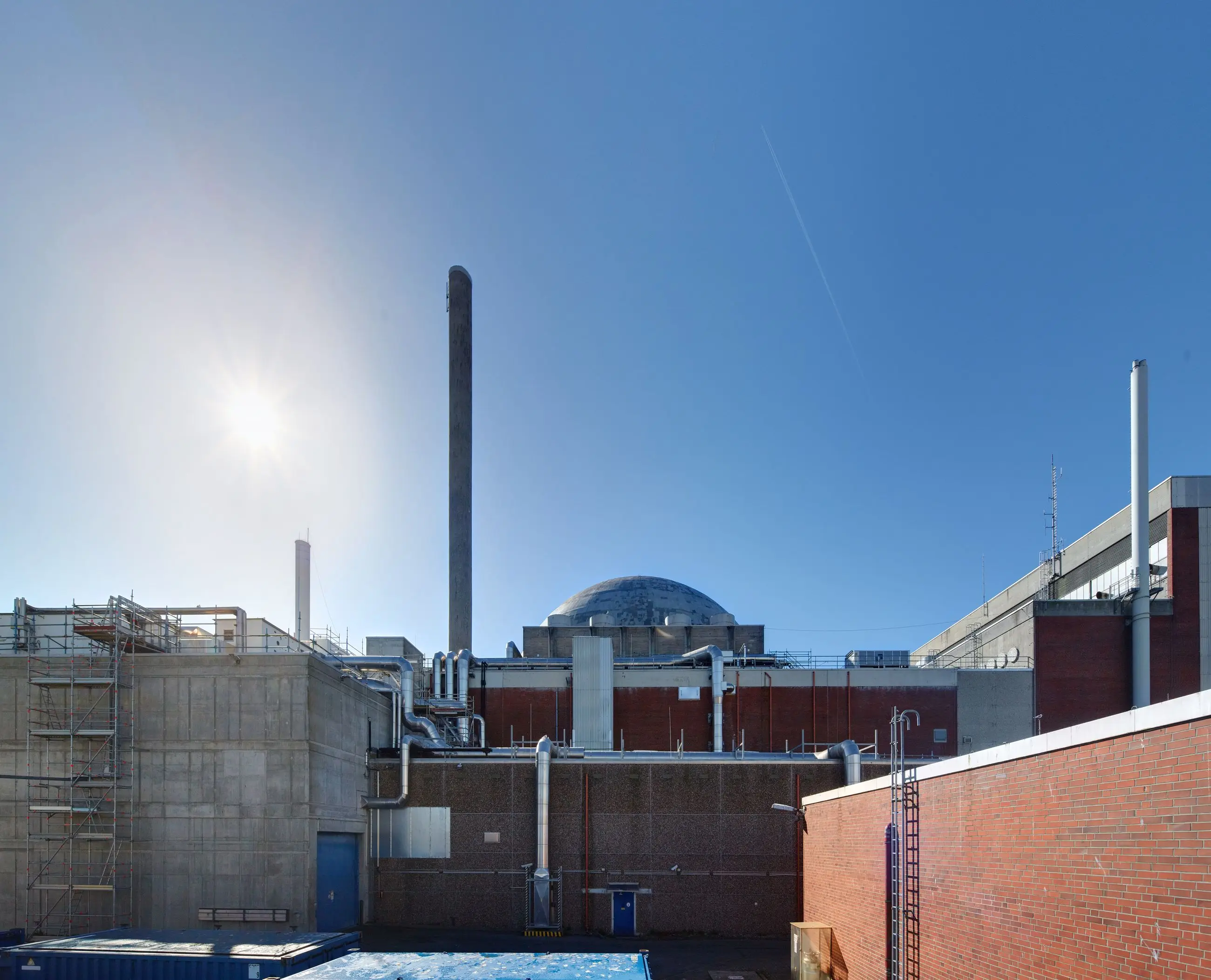
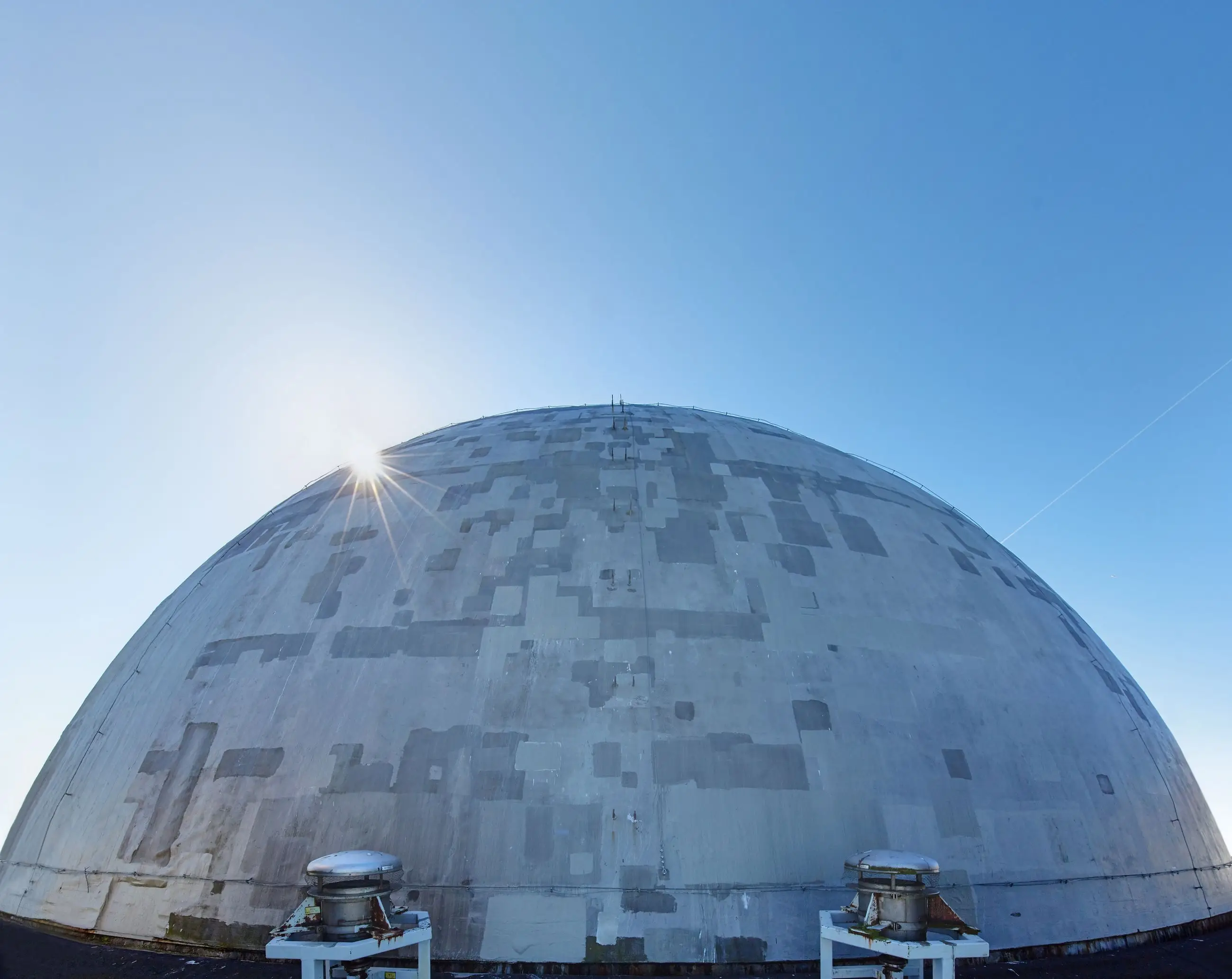
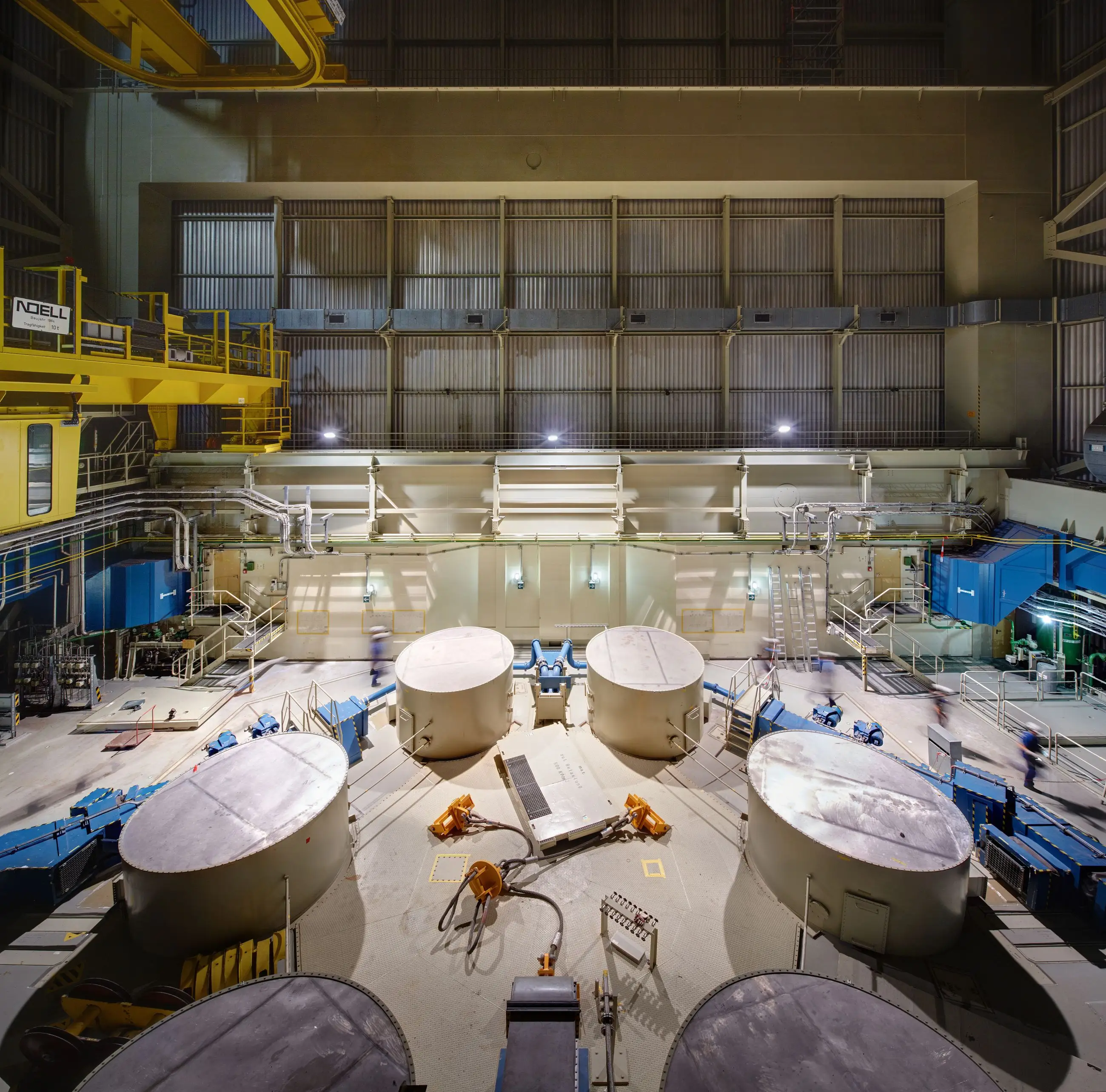
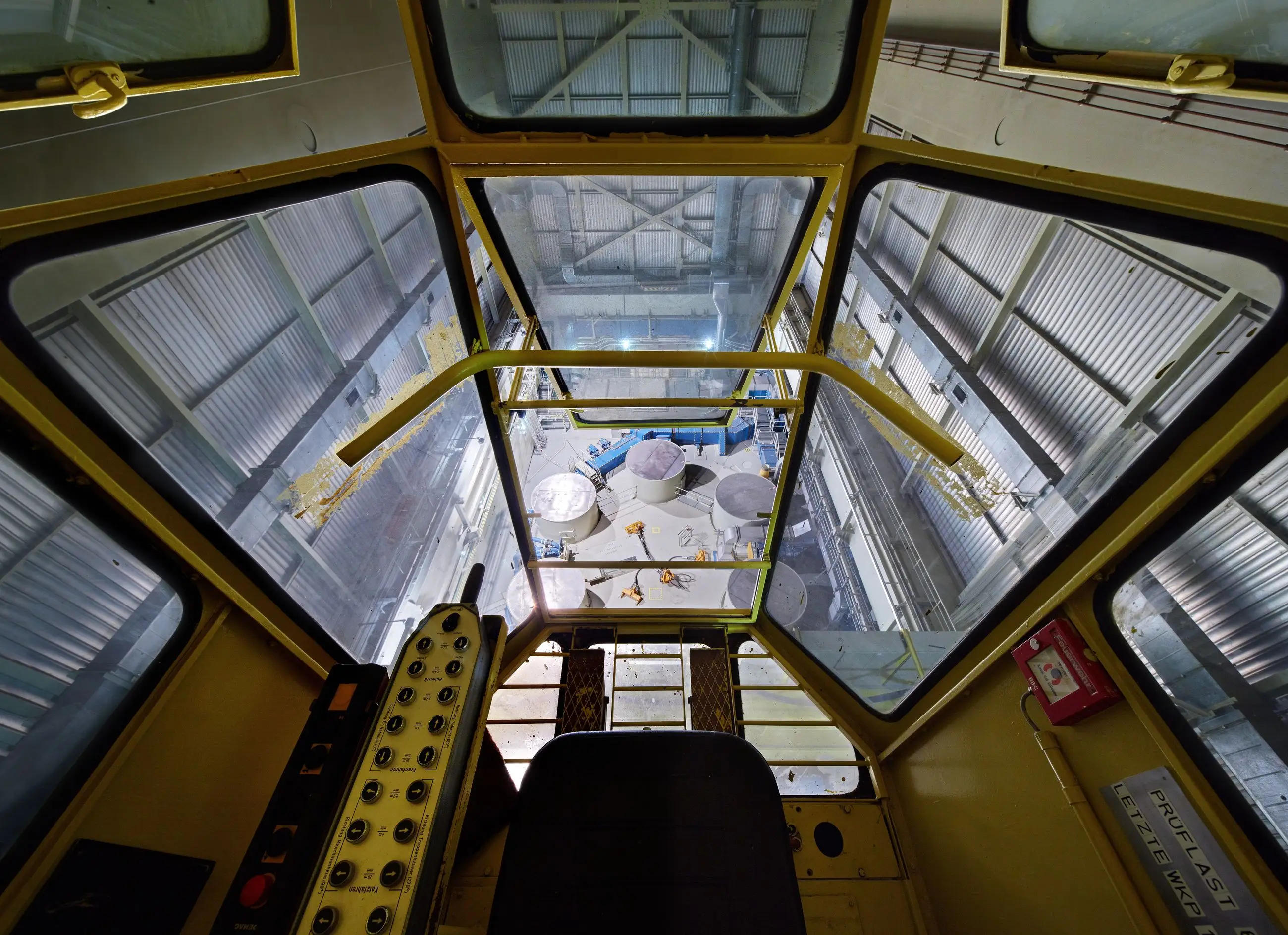
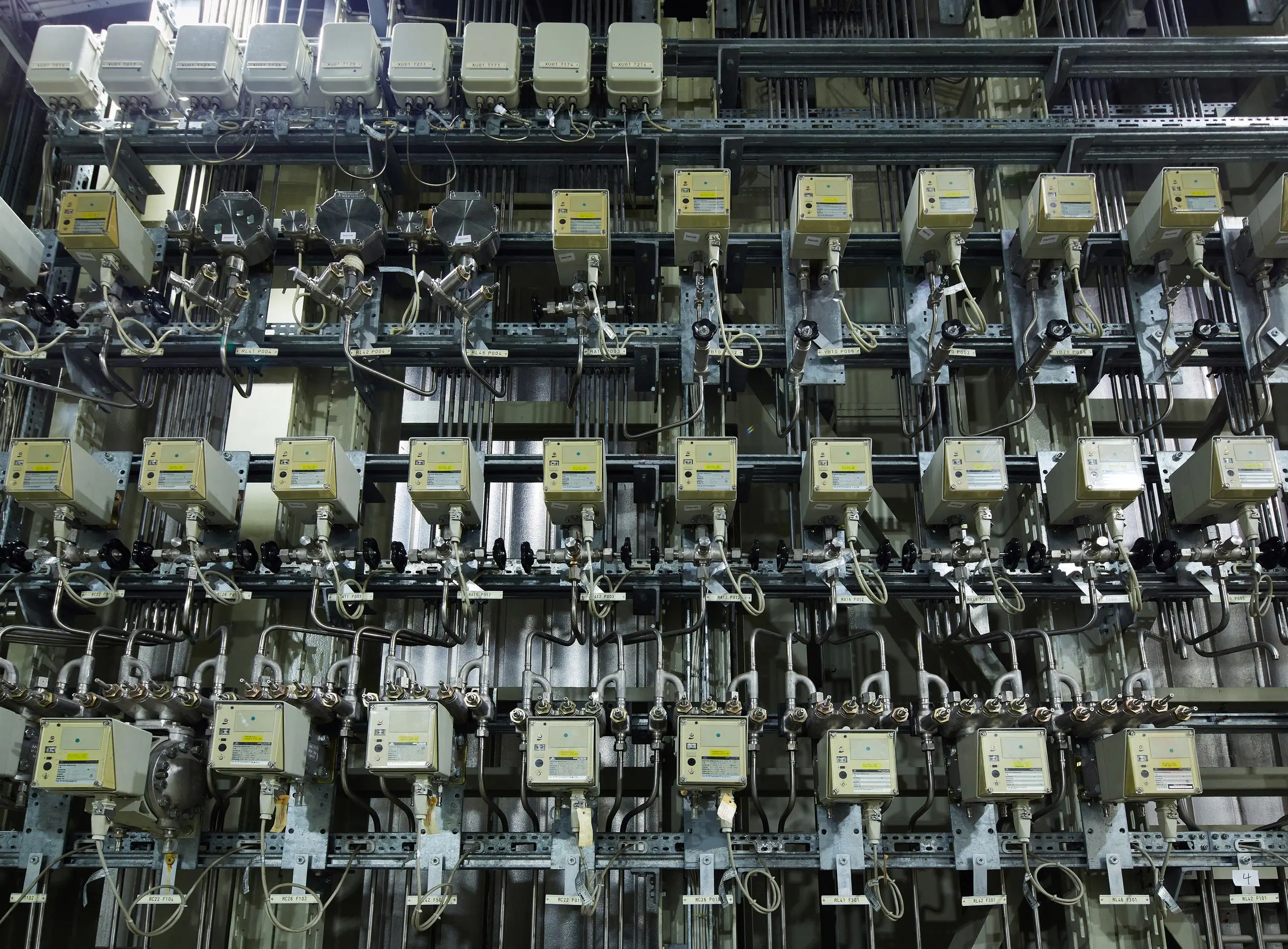
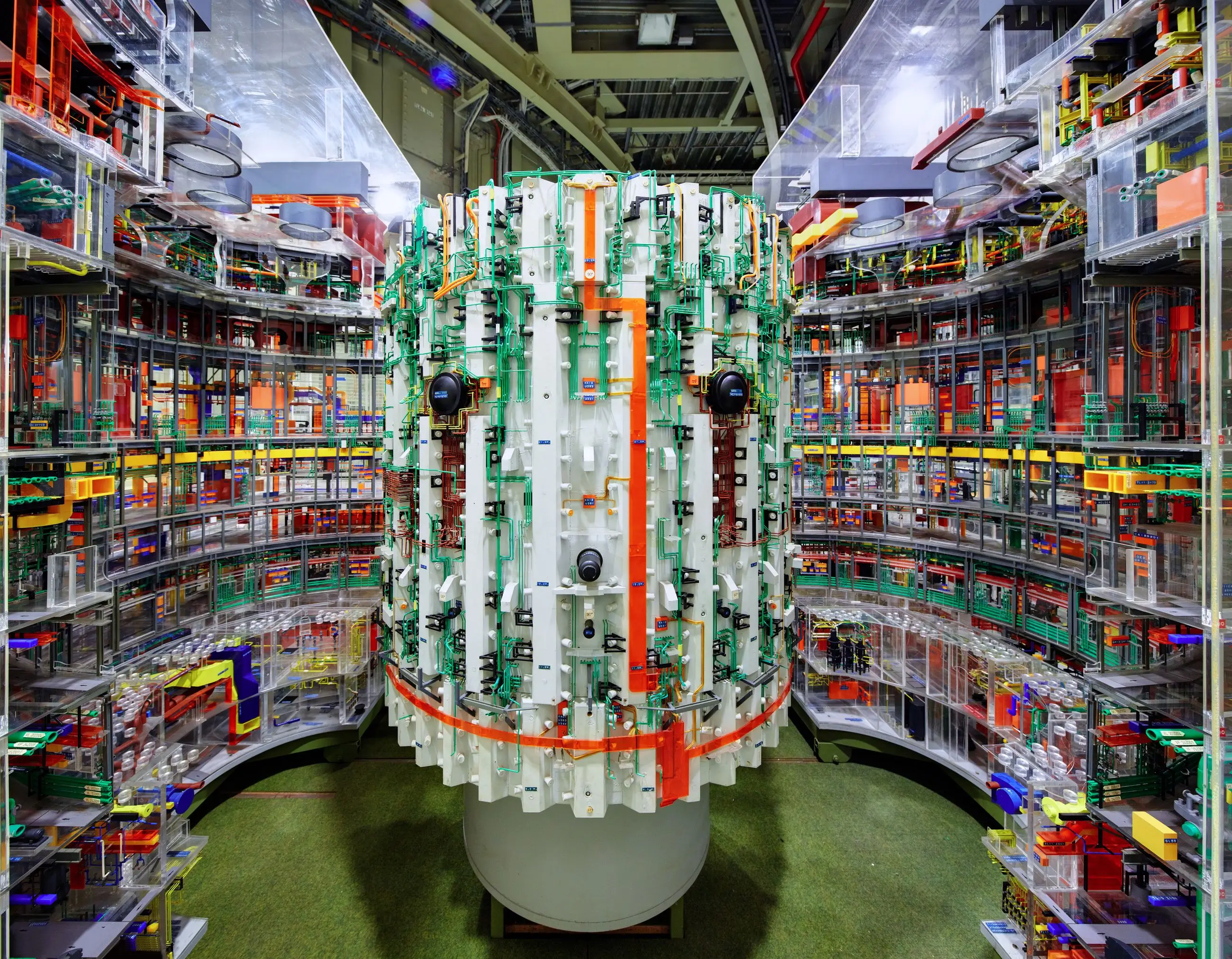
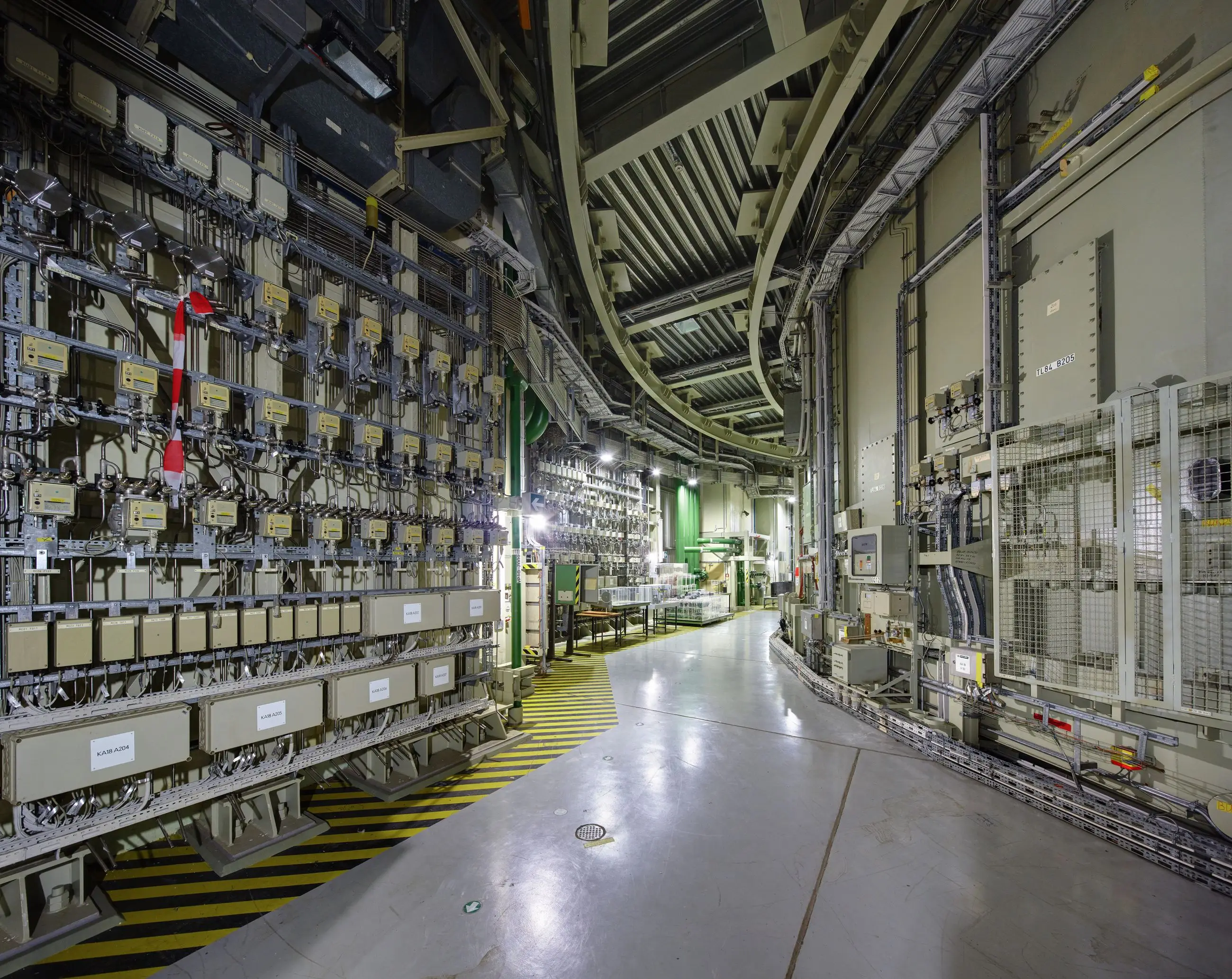
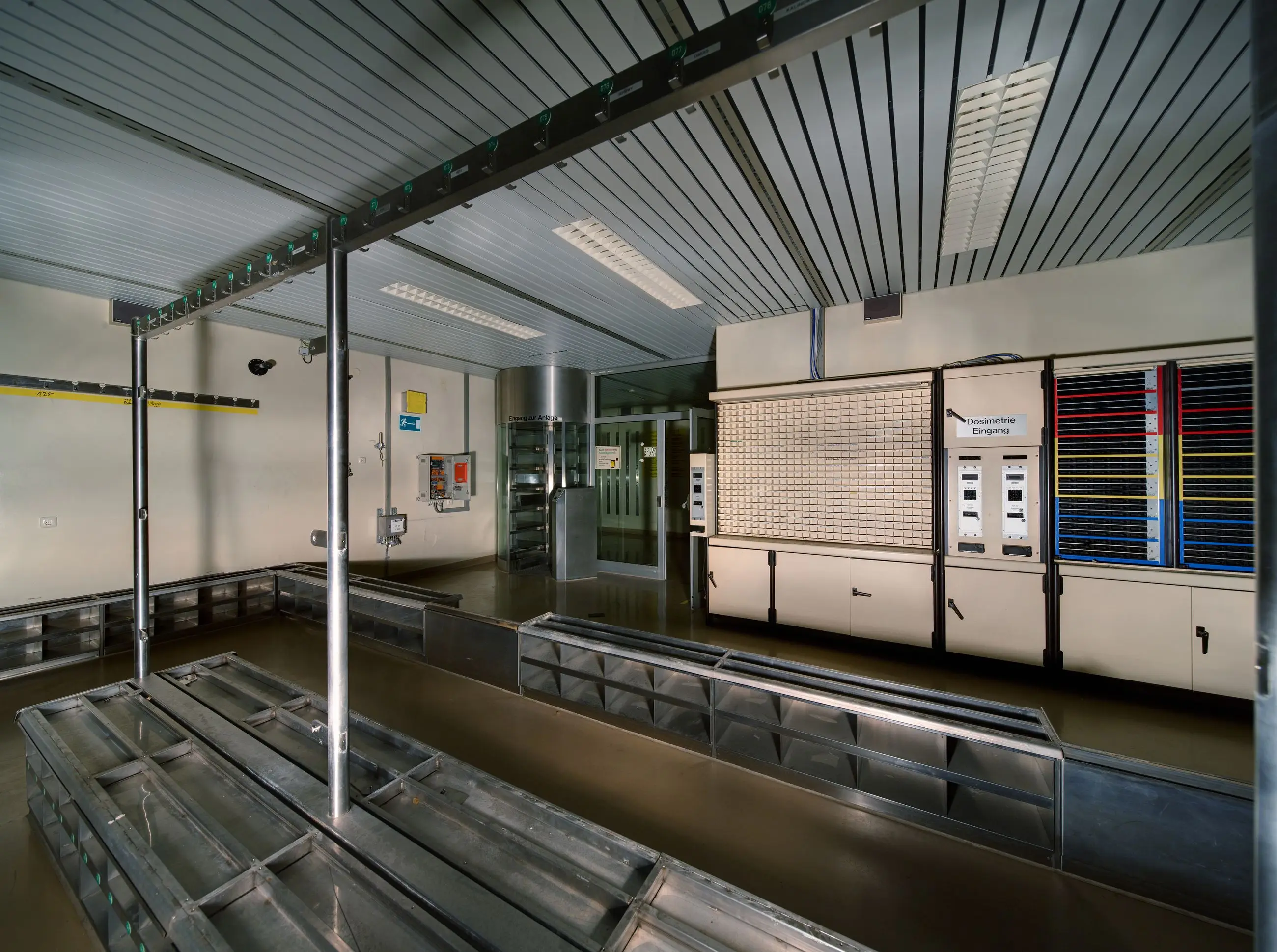
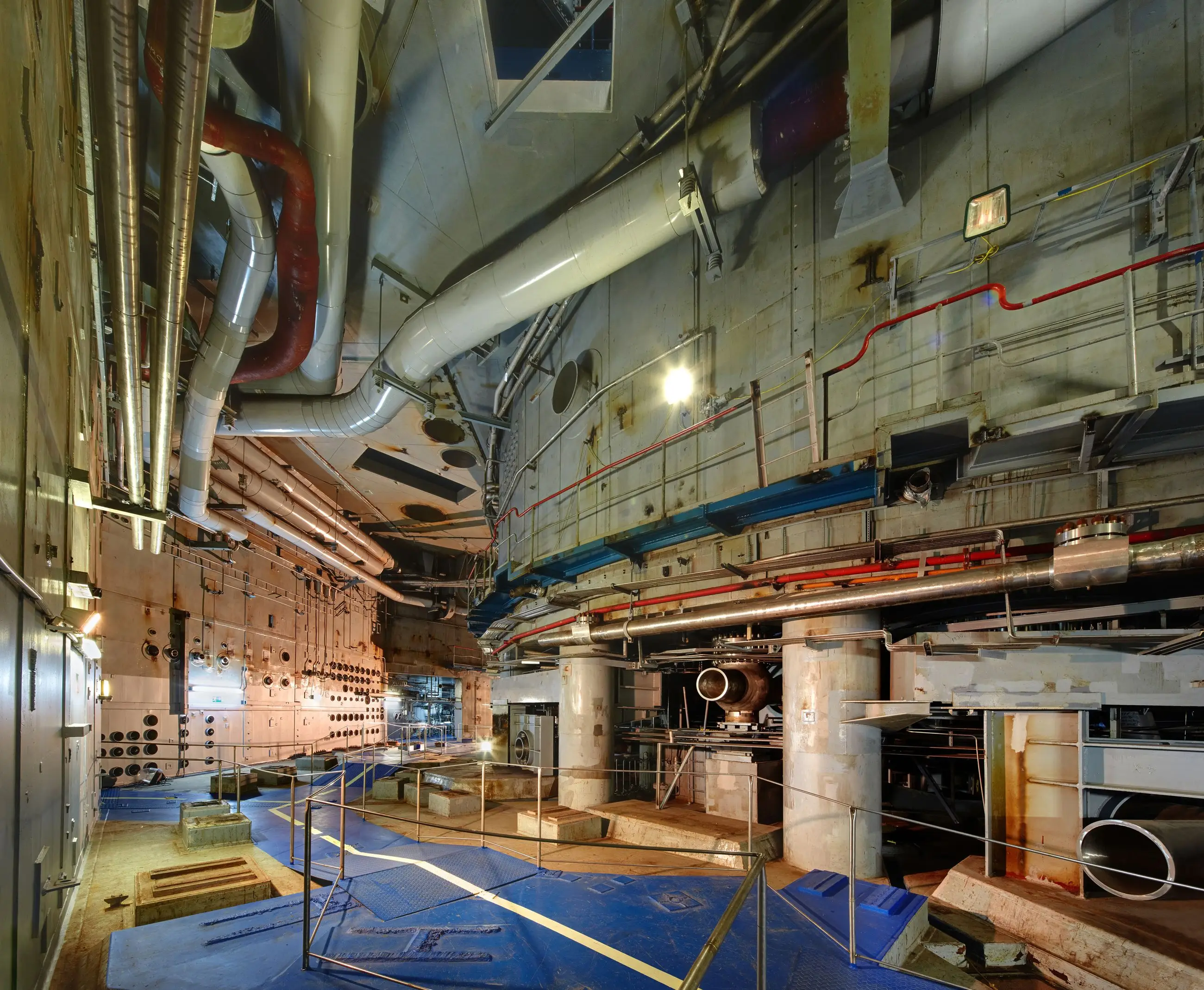
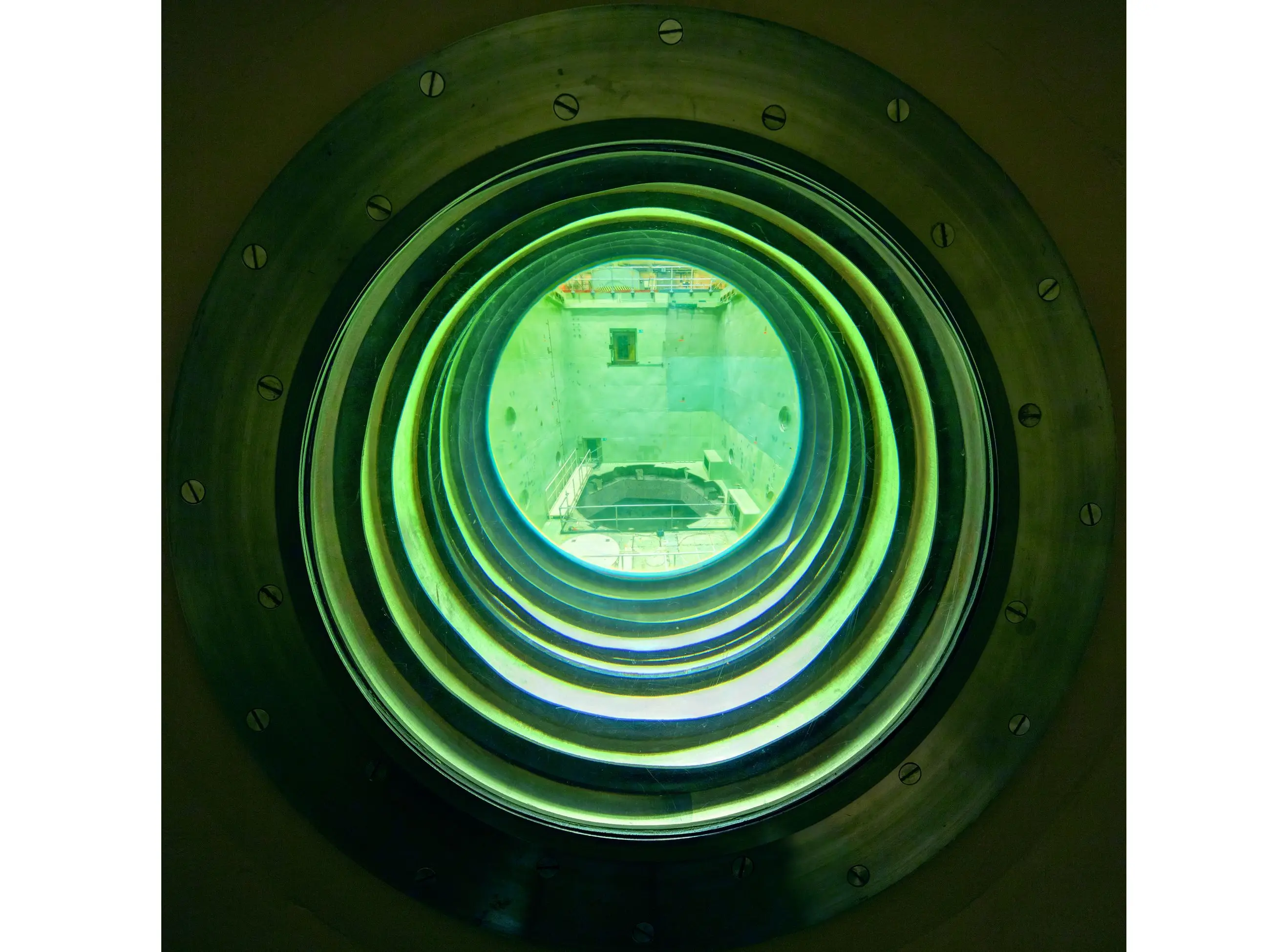
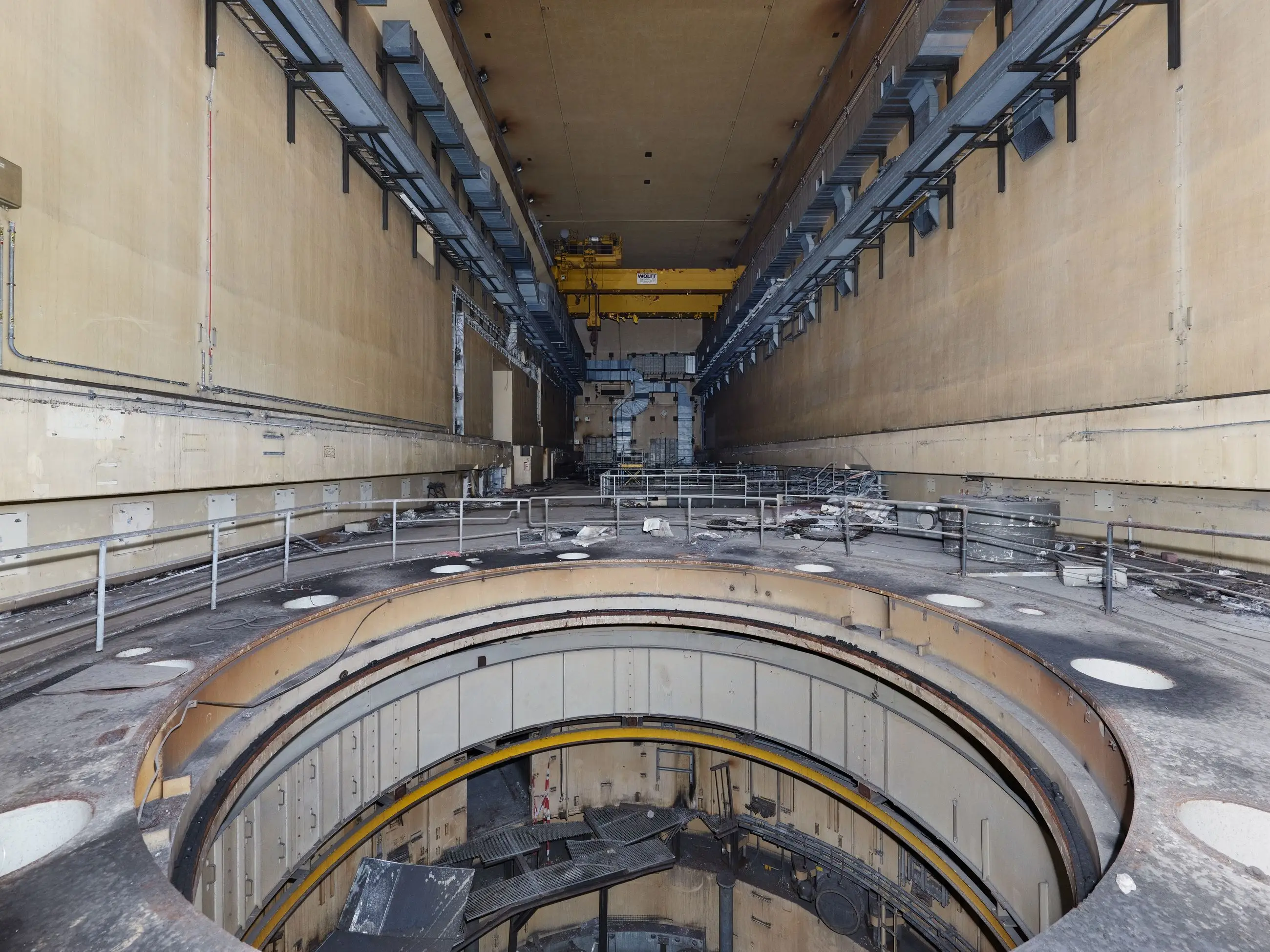
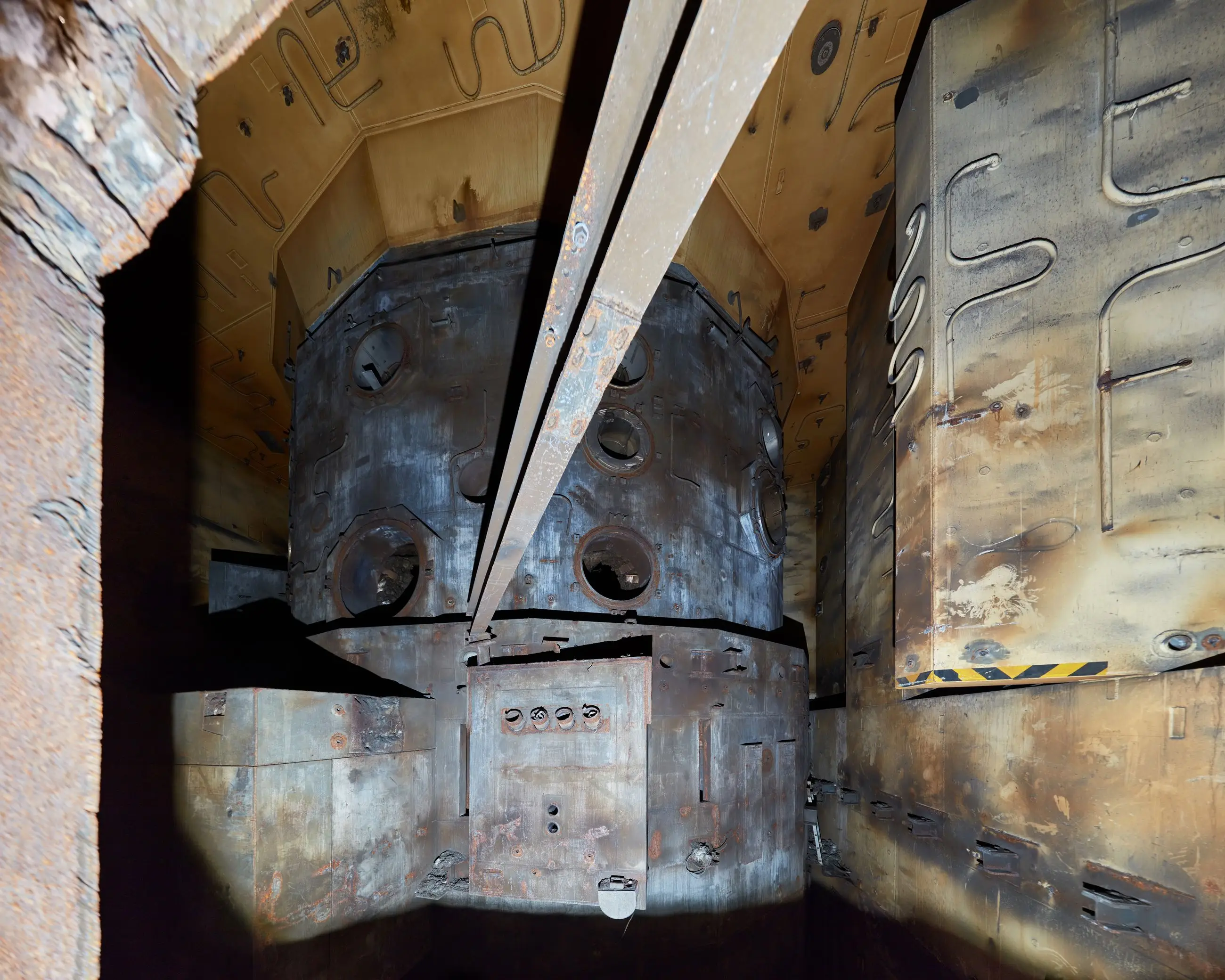
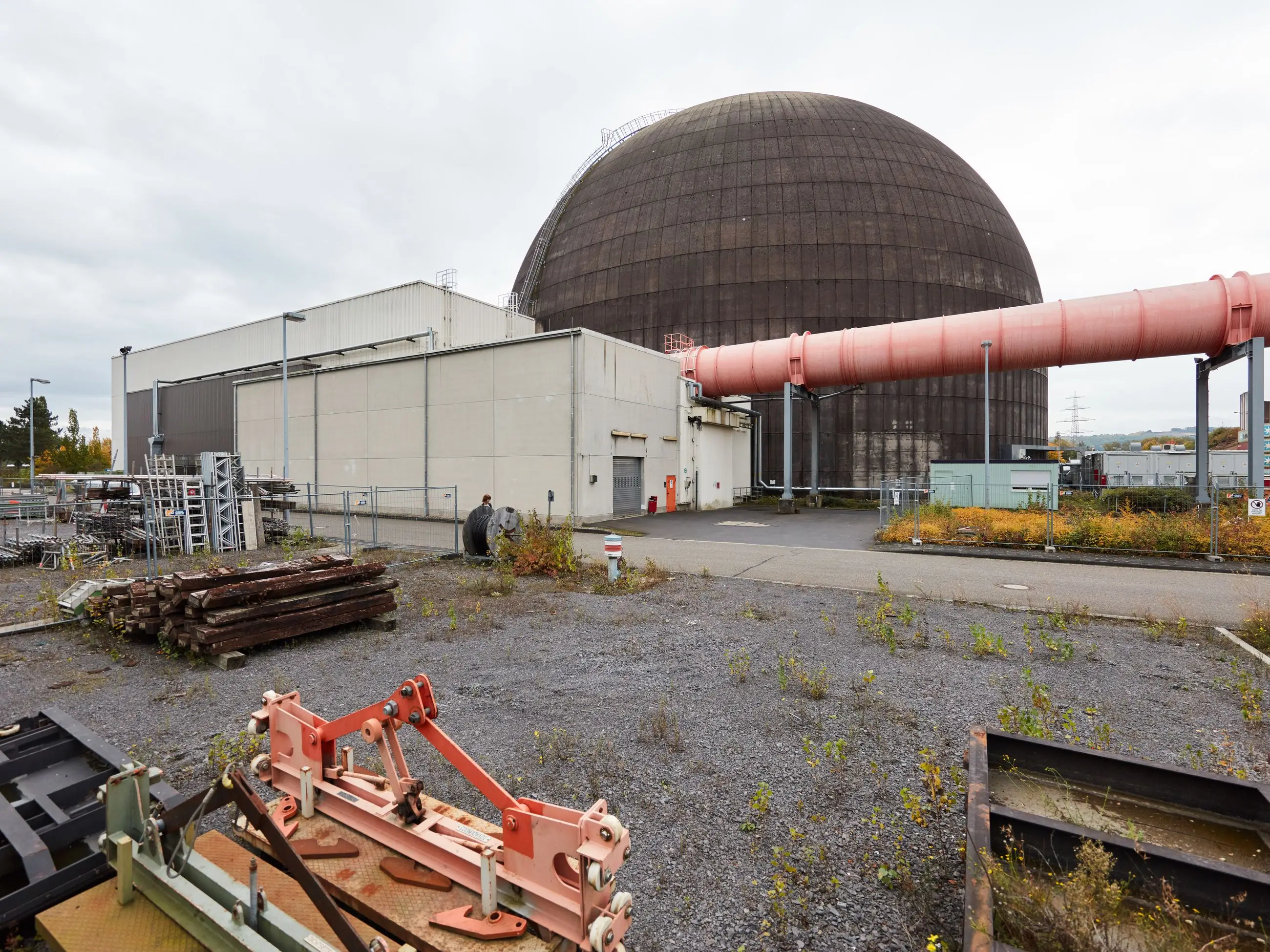
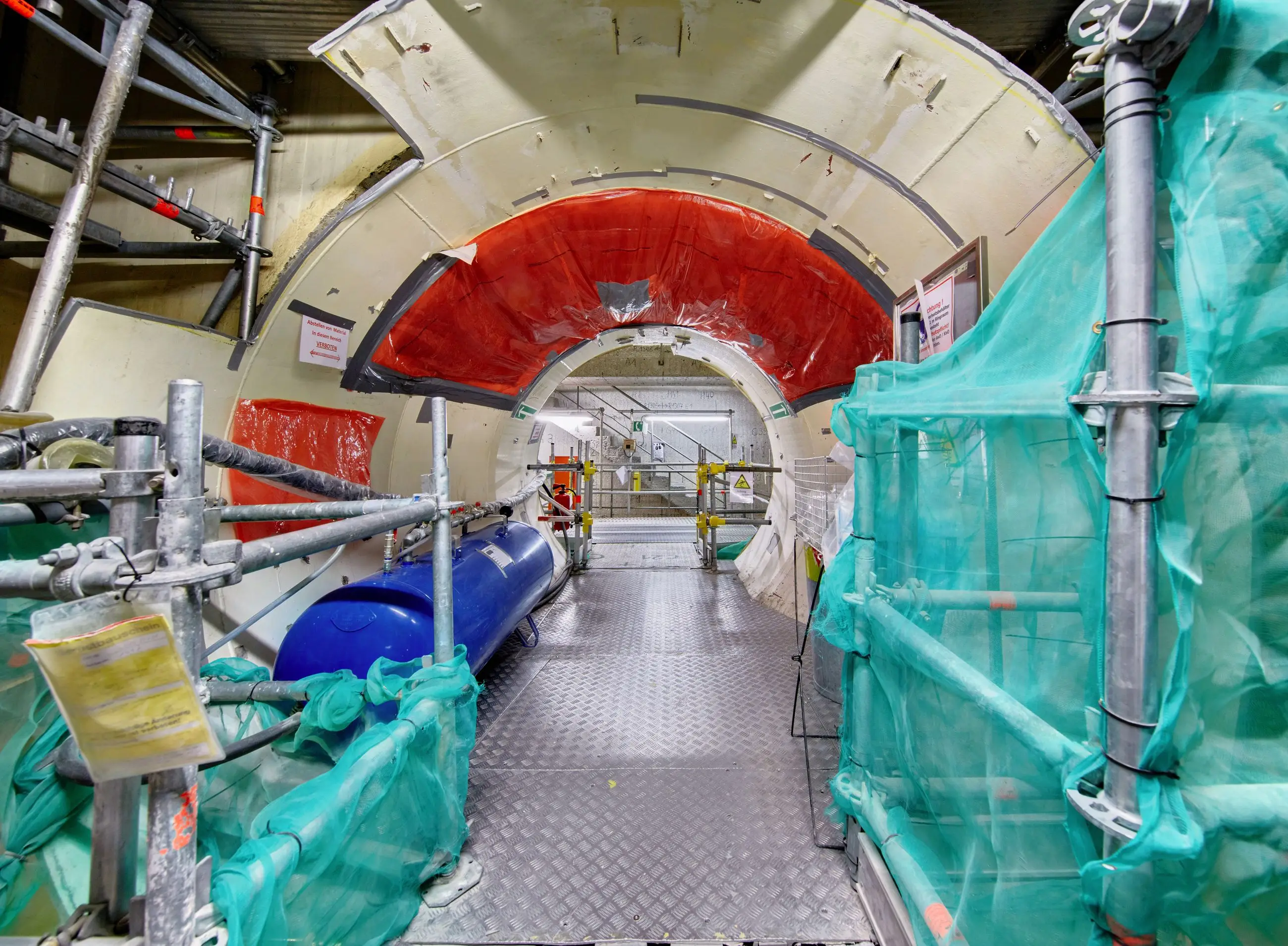
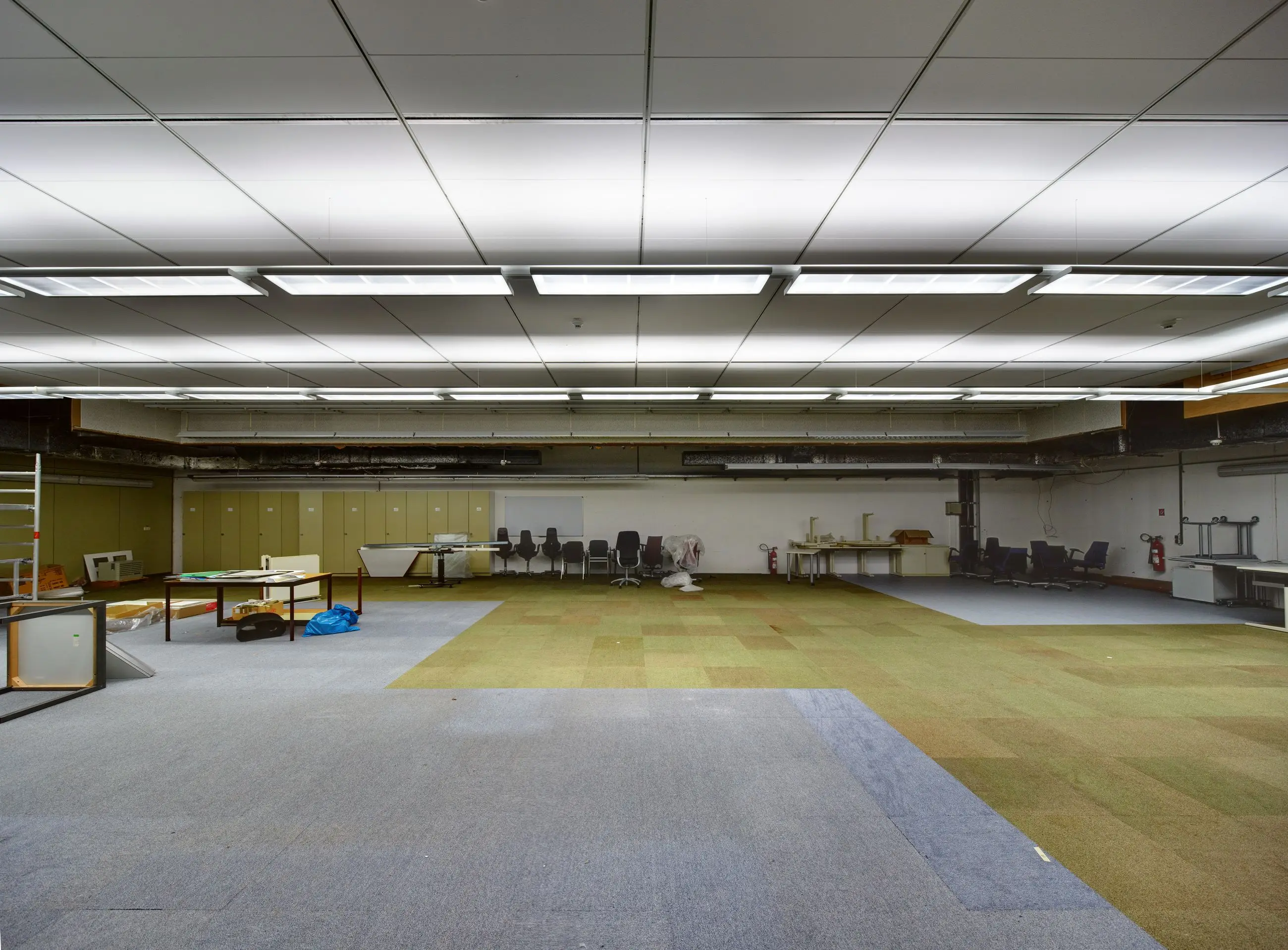
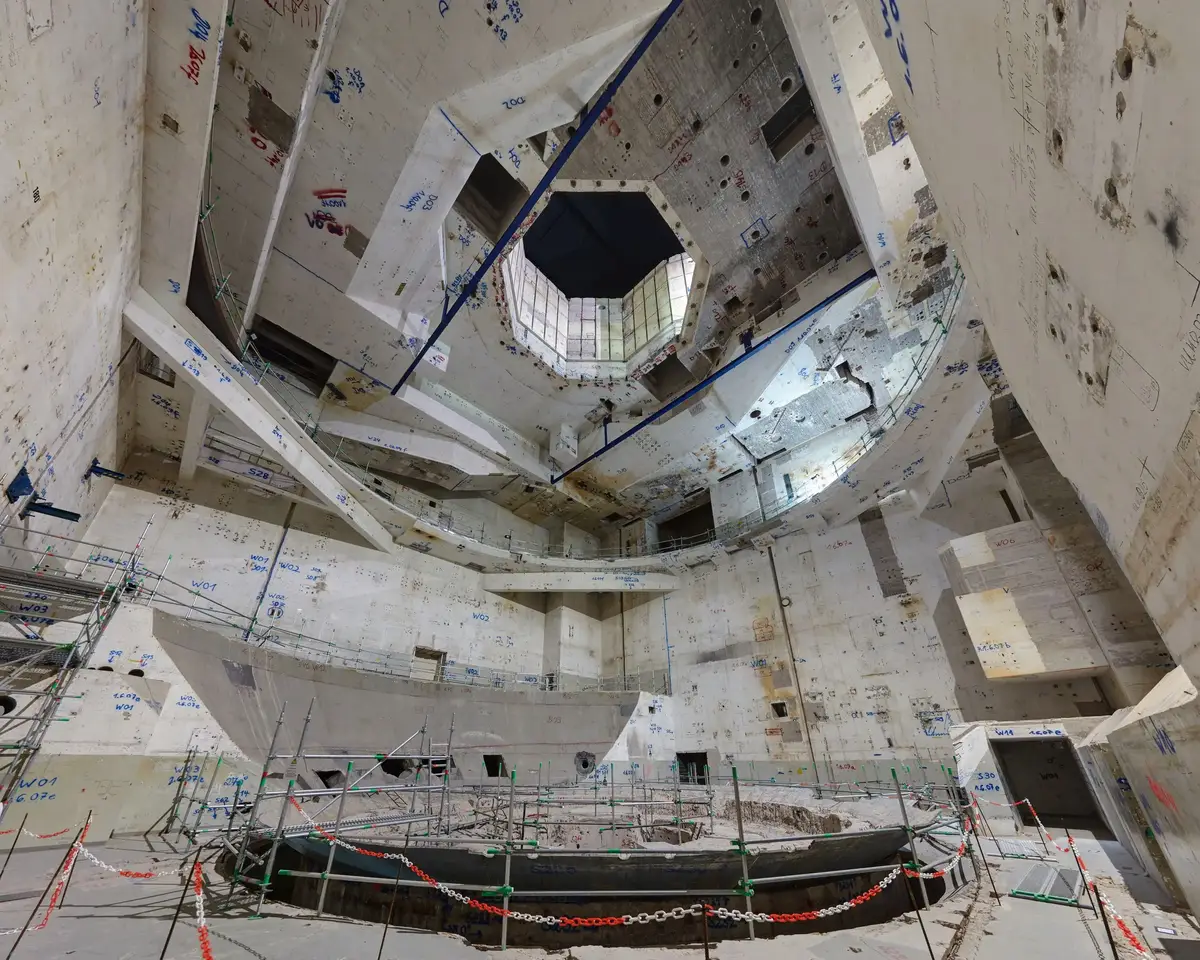
Mit dem Abschalten beginnt eine mehrjährige Nachbetriebsphase, in der die Brennelemente ausklingen und schließlich per Castor entfernt werden. Hier wirkt noch vieles unverändert, die Atmosphäre erscheint aber gelassener zu sein als während des Leistungsbetriebs. Später im Prozess wird entweder direkt mit dem Rückbau begonnen, oder lange abgewartet, bis die Aktivität der Anlage deutlich abgeklungen ist. In einem solchen „sicheren Einschluss“ befindet sich der THTR, der Thorium-Hochtemperaturreaktor nahe Hamm. Bei meinem Besuch dort hat die Anlage noch drei Mitarbeiter, deren Büros sich am Ende eines Flures ihres einstigen Verwaltungsgebäudes befanden. Das Kraftwerk selbst war nur wenige Jahre in Betrieb und wirkt wie ein technisches Dornröschen-Schloss. Außen fallen bereits dicke, abgeschnittene Stromkabel auf, die aus der Wand ragen. Innen erscheint noch alles nagelneu. Auf verschiedenen Ebenen können wir den zylindrischen Reaktor umkreisen. Manche Wände sind bis an die Decke mit feingliedrigen Edelstahlleitungen und Messinstrumenten ausstaffiert, viele Armaturen zieren die Schilder nicht mehr existierender Hersteller. Auf einer mittleren Ebene steht ein verkleinertes, aufwendig gefertigtes Reaktormodell aus Graphit, in der Nähe ein riesengroßes Kunststoffmodell der Anlage aus Zeiten, in denen es noch kein CAD gab. Die Beleuchtung besteht streckenweise aus vergitterten kleinen Kellerlampen, deren Stromkabel alle paar Meter mit der Bitte beschildert ist, es nicht abzuschneiden. Abgetrennt und versiegelt dagegen sind alle Zuleitungen, in der Halle oberhalb des Kerns auch die einst hervorstehenden Dampferzeuger. An der Hallendecke ruht ein neuwertiger 100-Tonnen-Kran mit einer großen Glaskanzel, umständlich über Leitern erreichbar. Wann hat hier zuletzt jemand gesessen? Die Umkleidebereiche sind schon komplett von der Stromversorgung getrennt. Wir begehen sie mit einer Taschenlampe, neue saubere Räume in den hellen Beigetönen der frühen Achtziger, viel Edelstahl, fast wie nachts in einem Schwimmbad. Das teure Innenleben der Ganzkörpermonitore wurde weiterverkauft, sonst ist noch alles da. „Hier“, sagt mein Betreuer nach einem Moment des Suchens, er zeigt auf das Namensetikett an einem Kleiderhaken. „Das war meiner.“
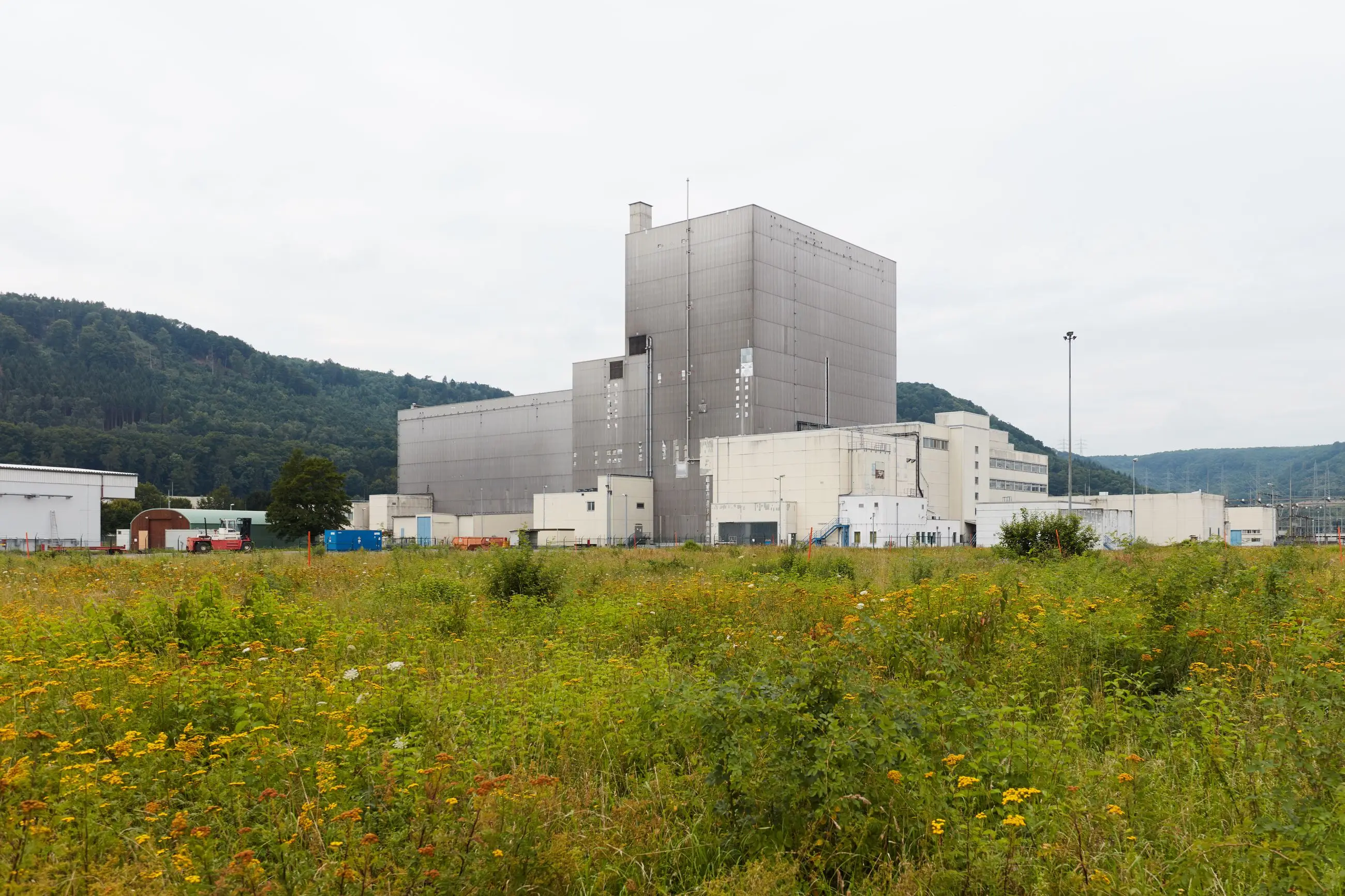
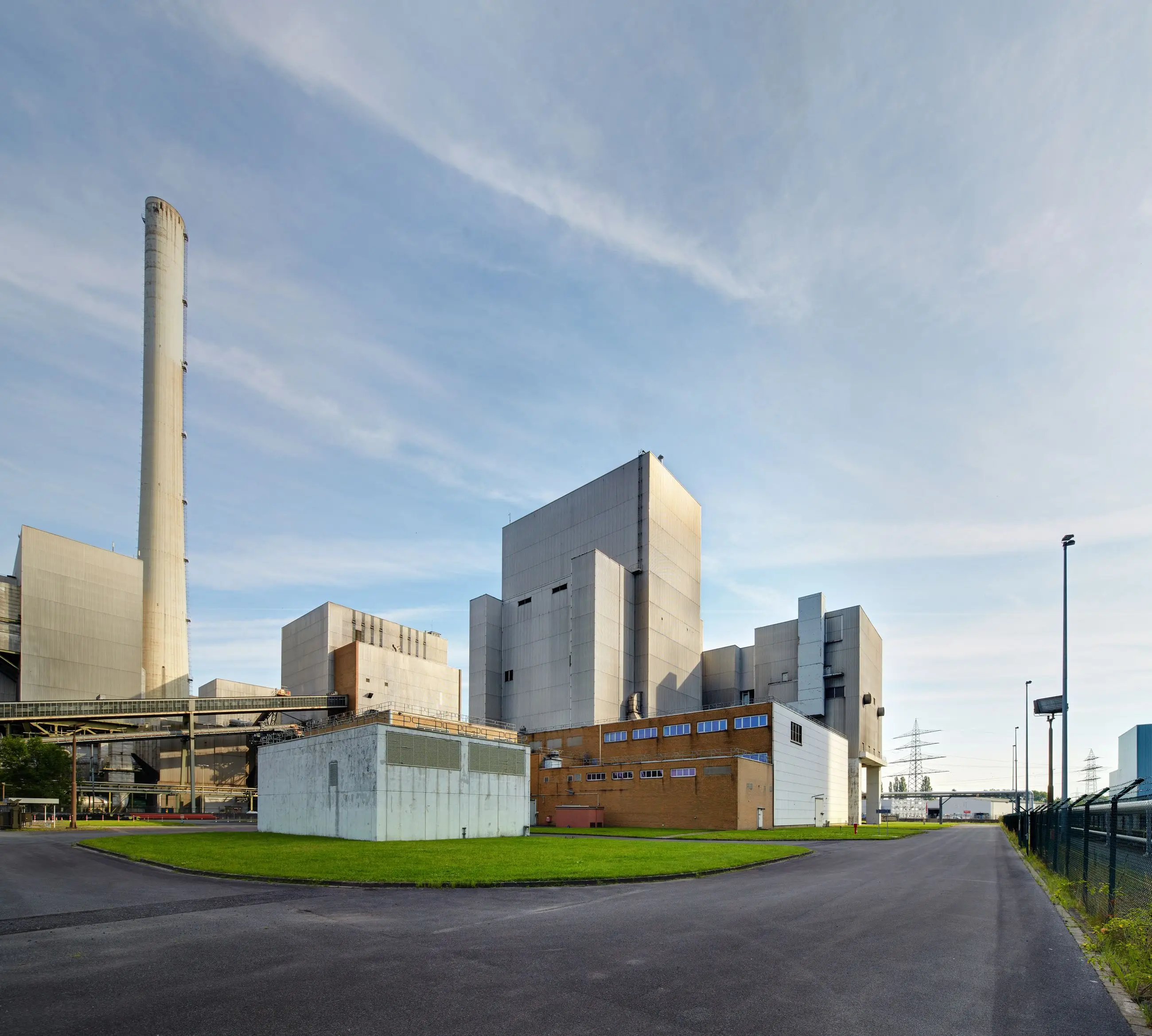
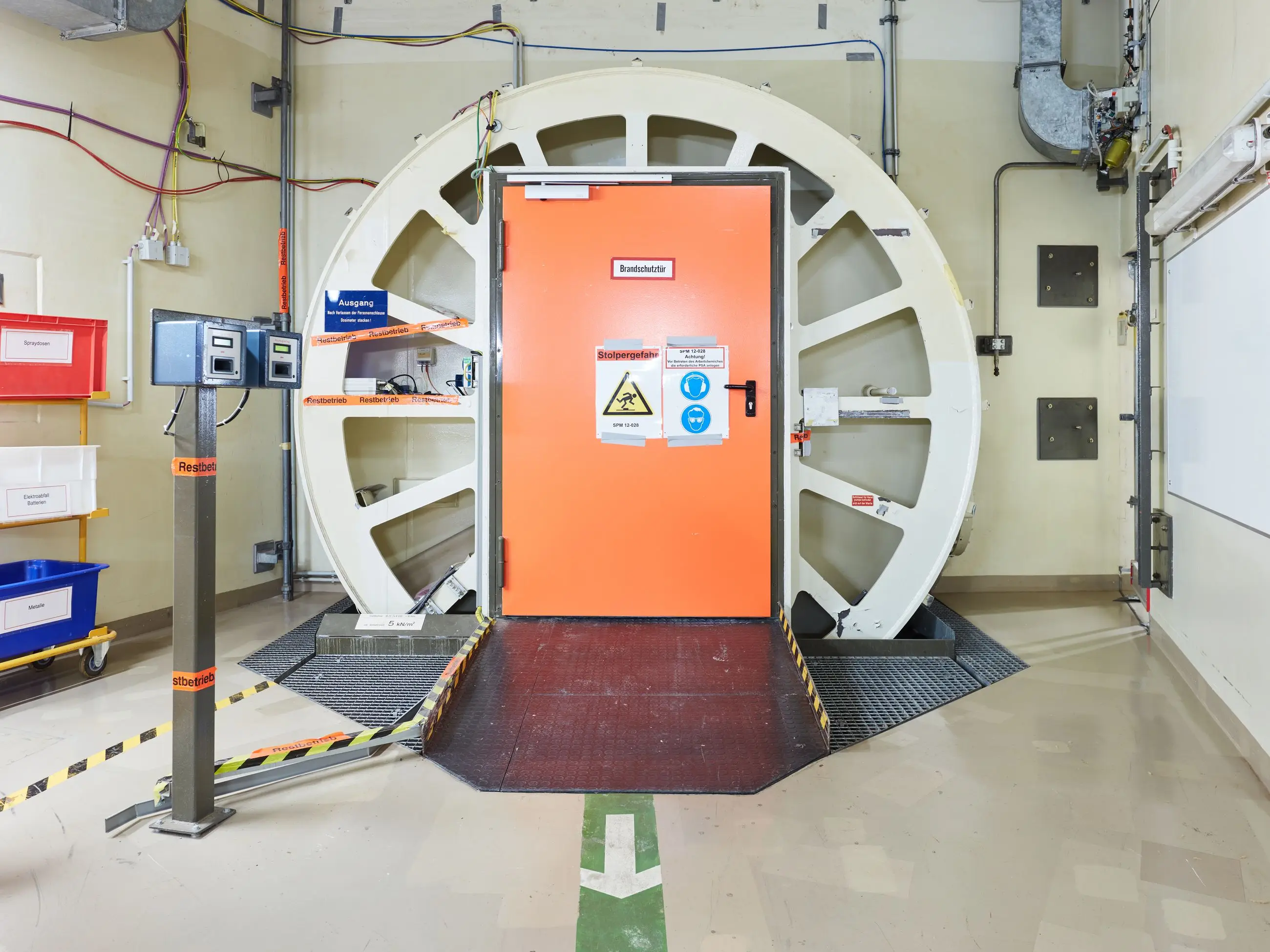
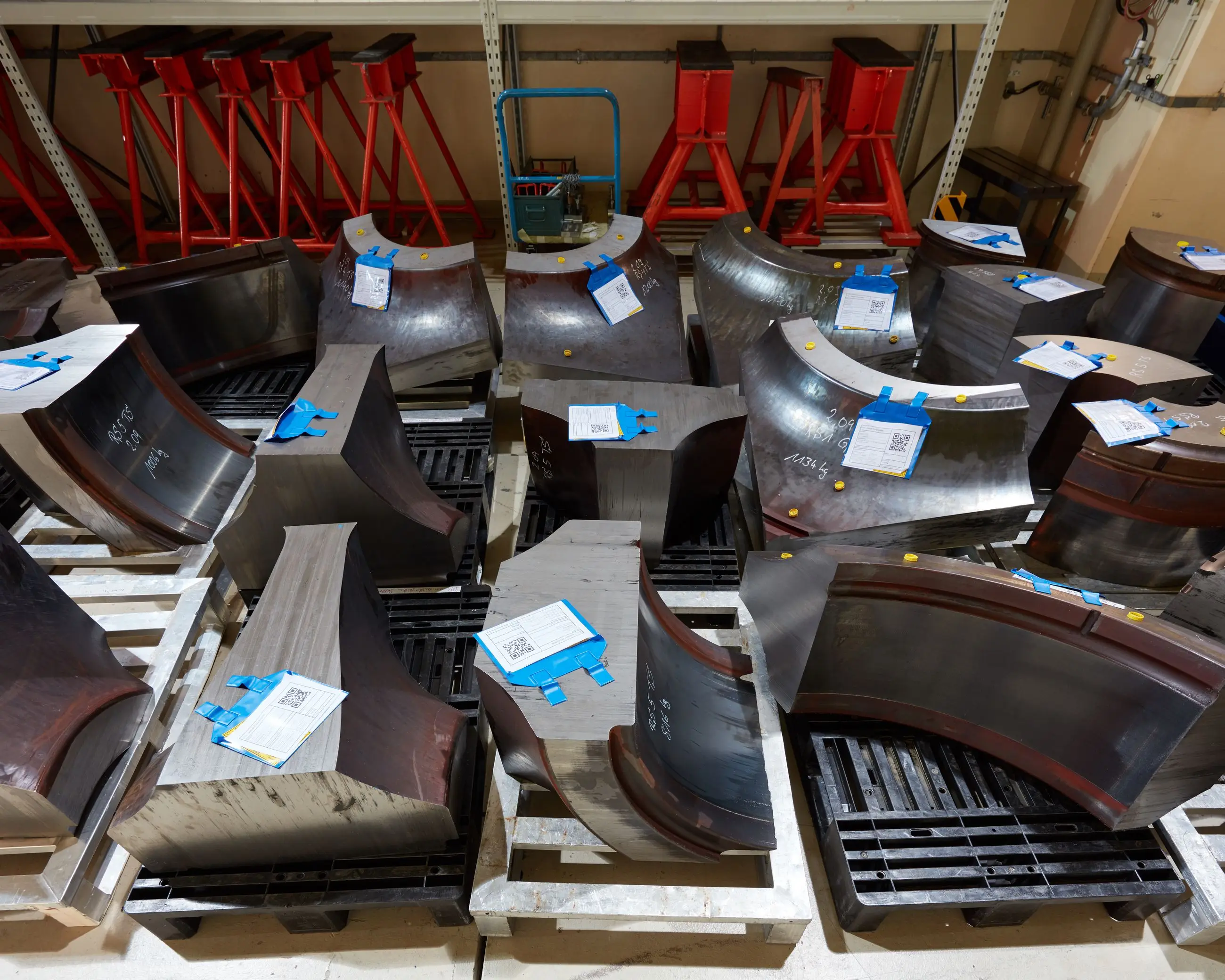
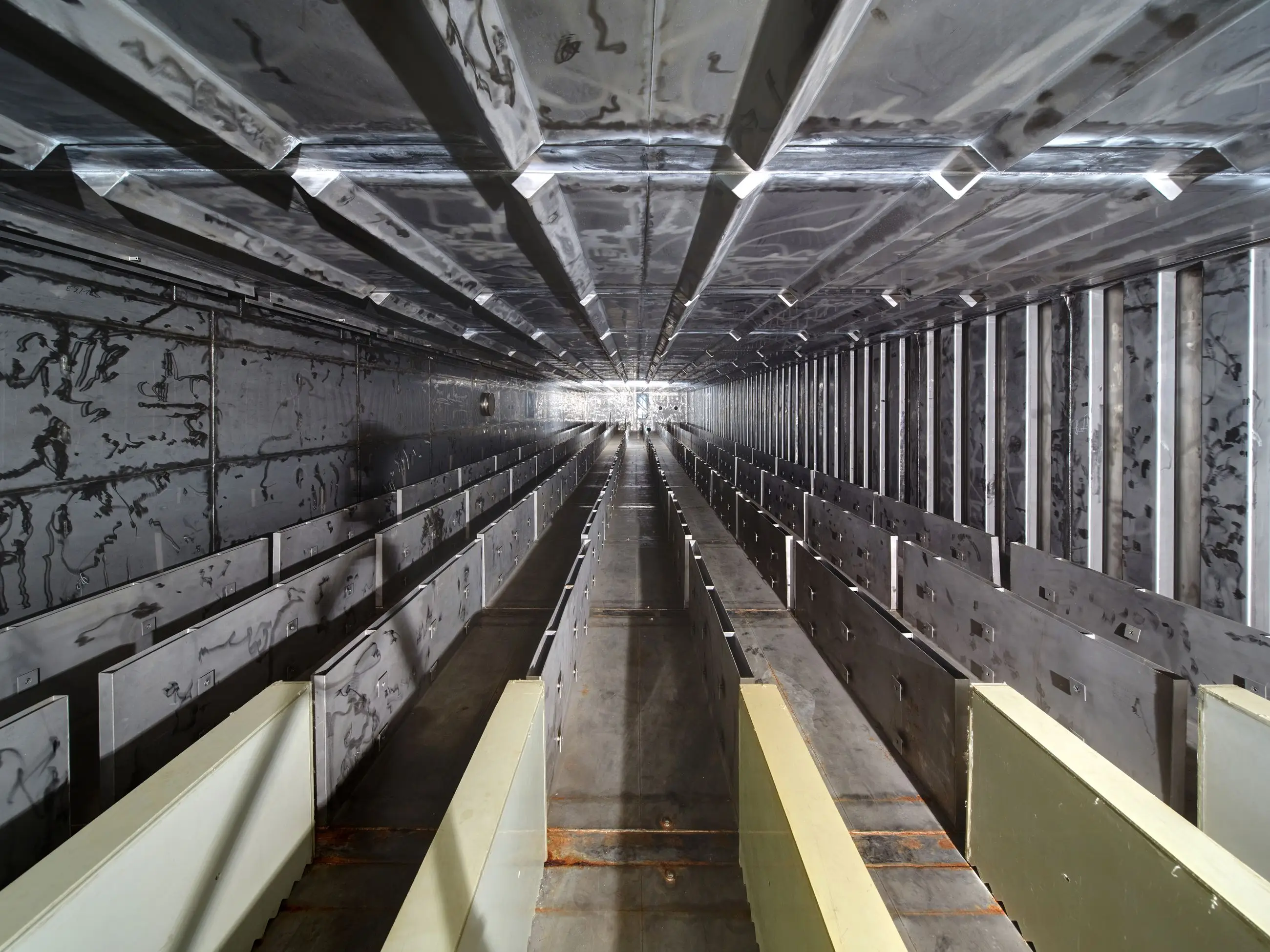
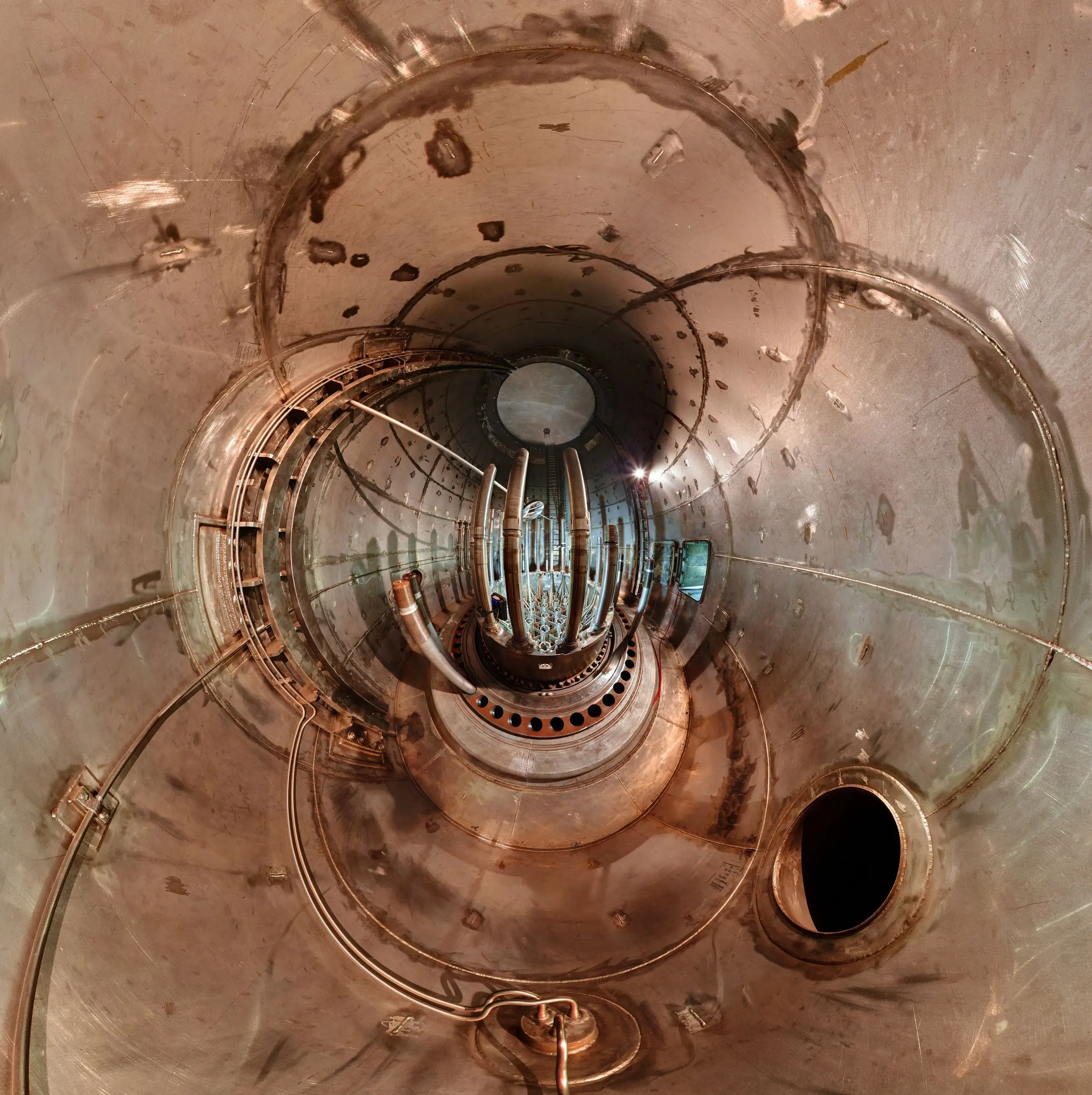
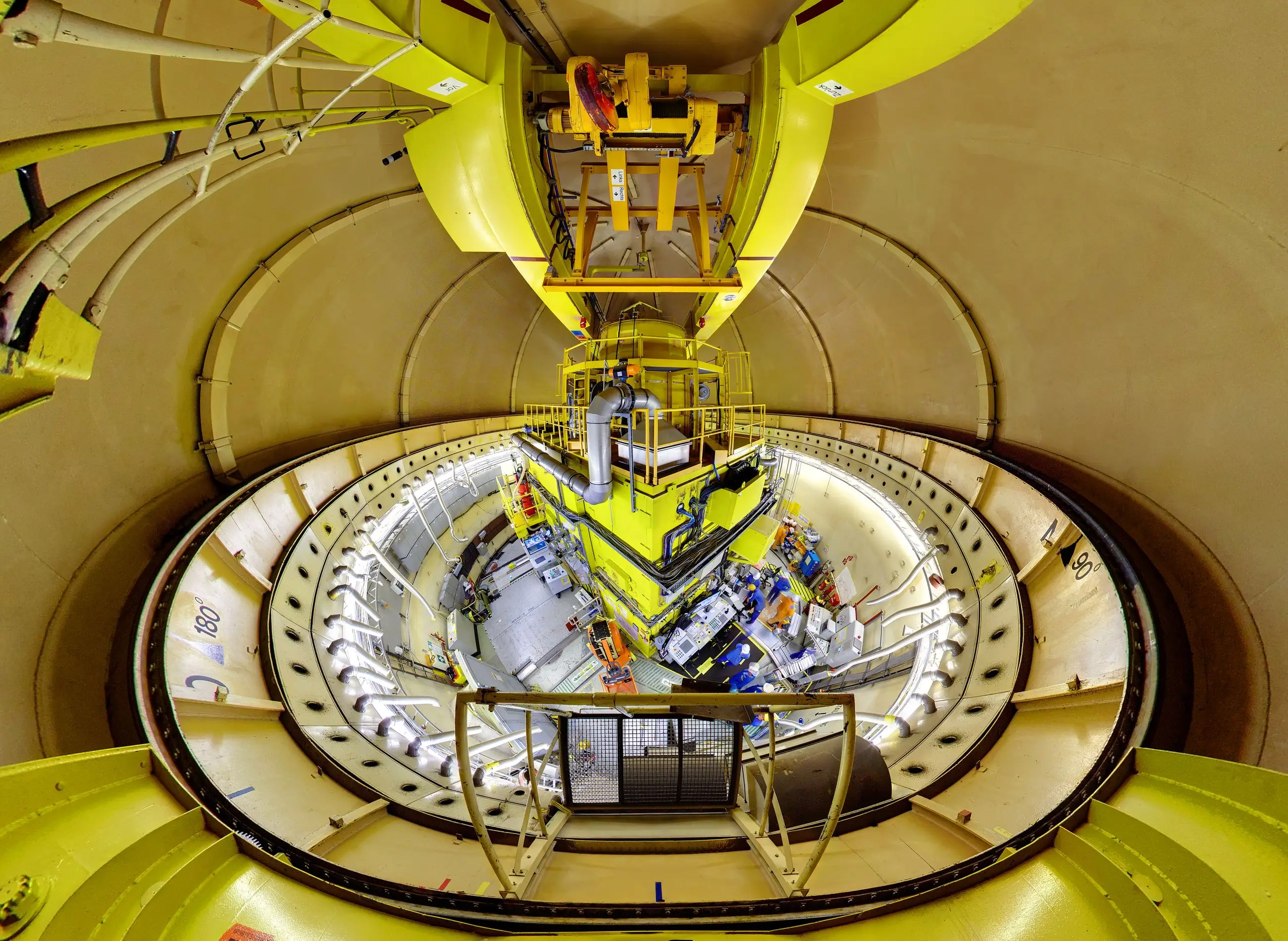
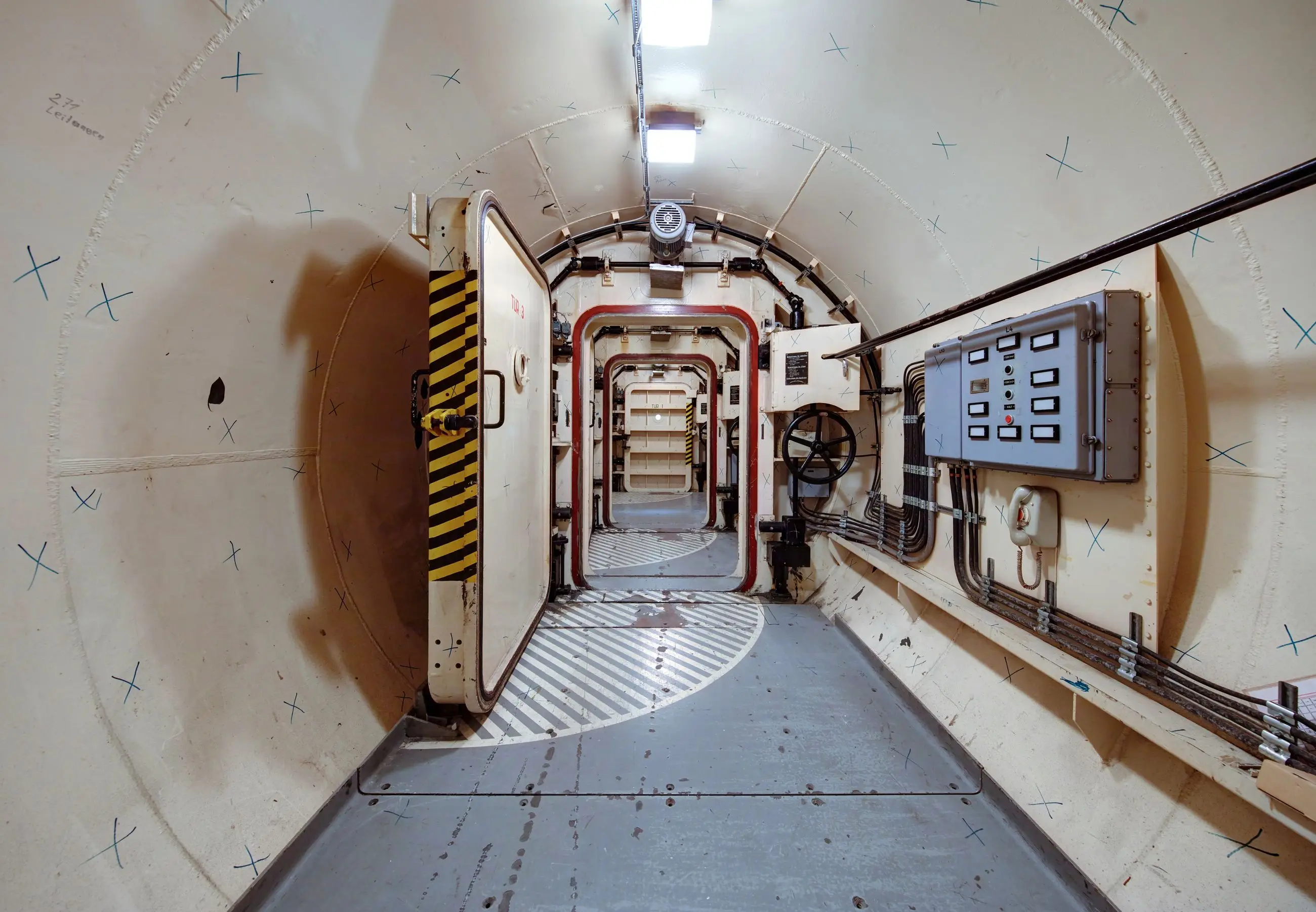
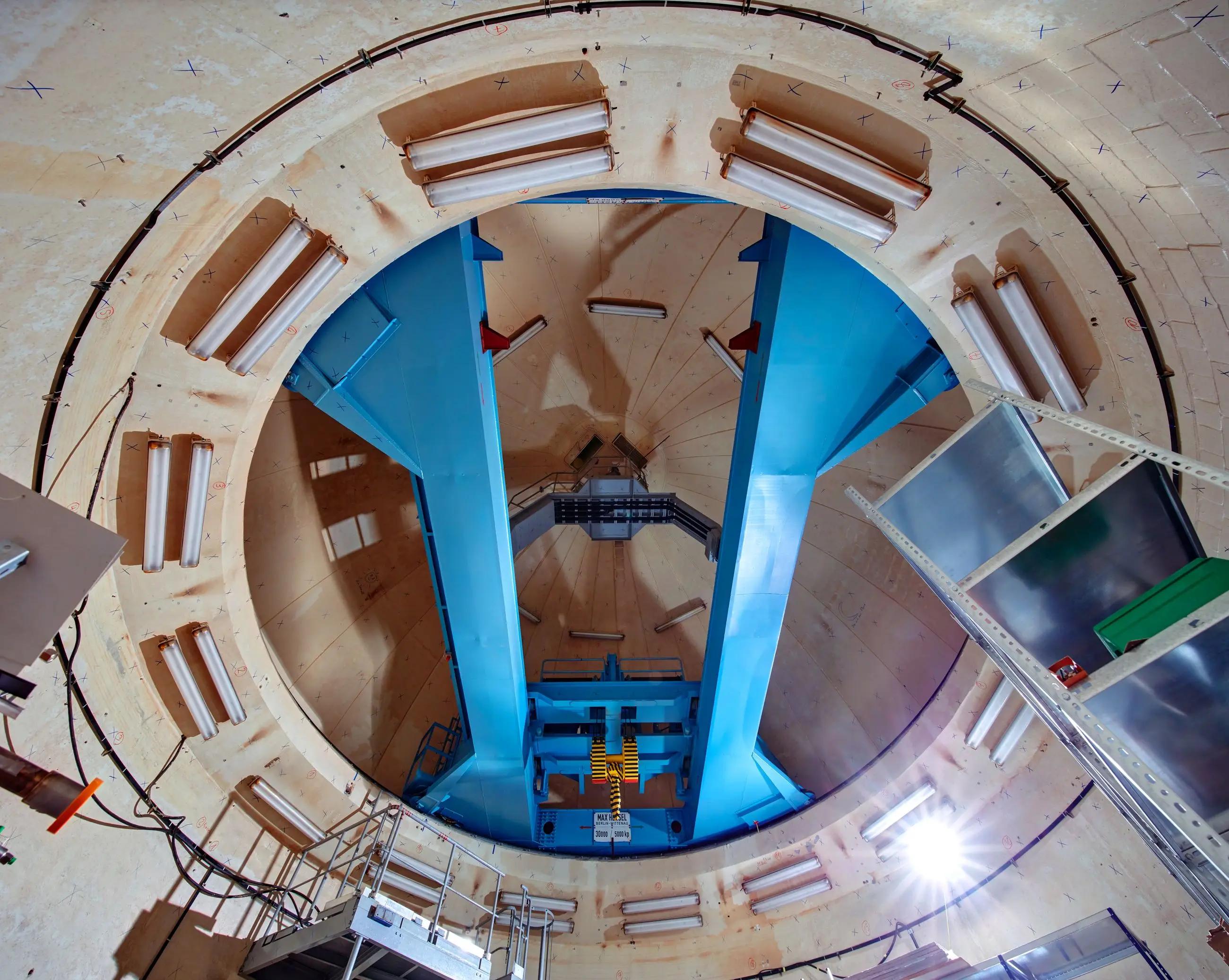
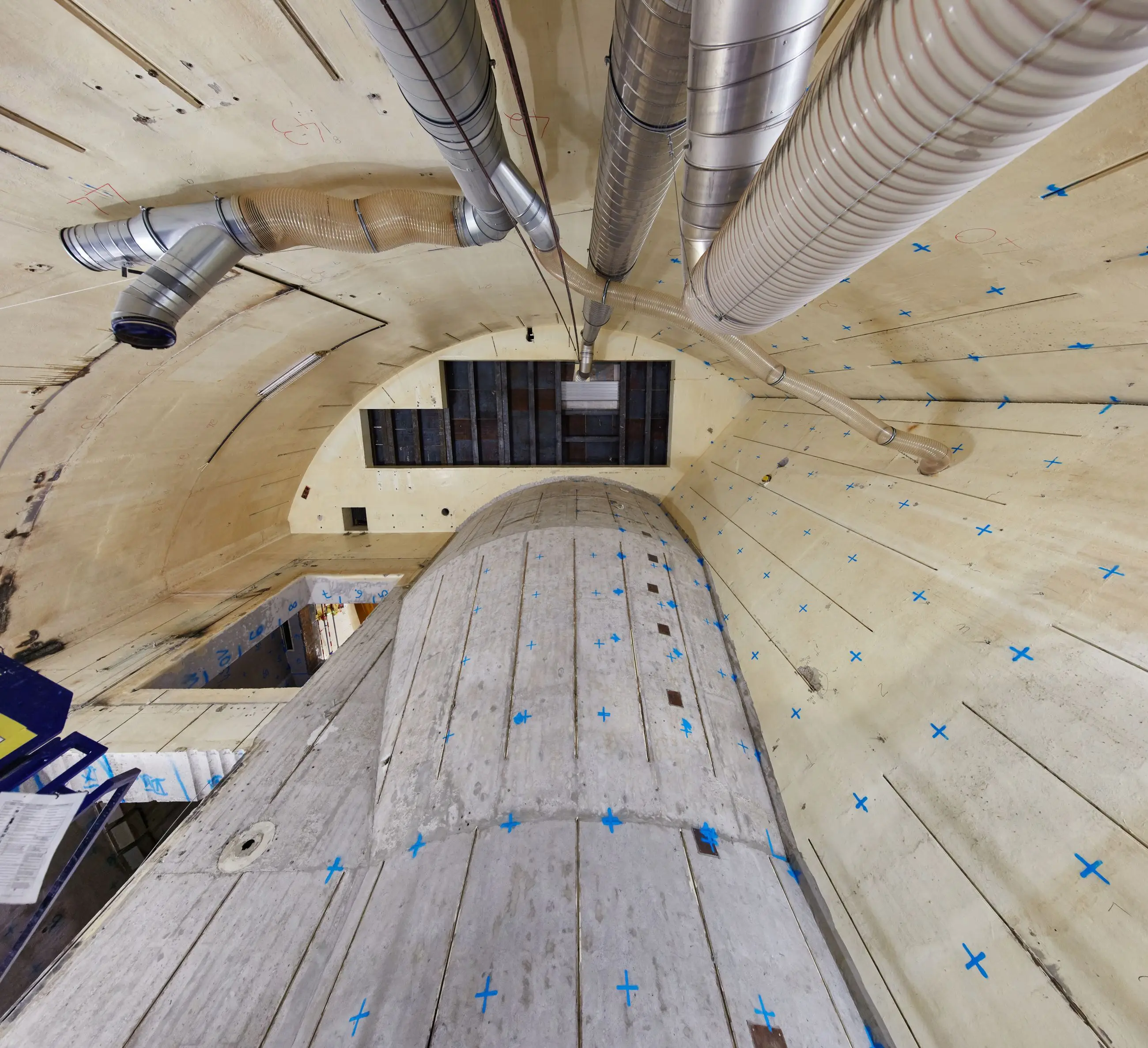
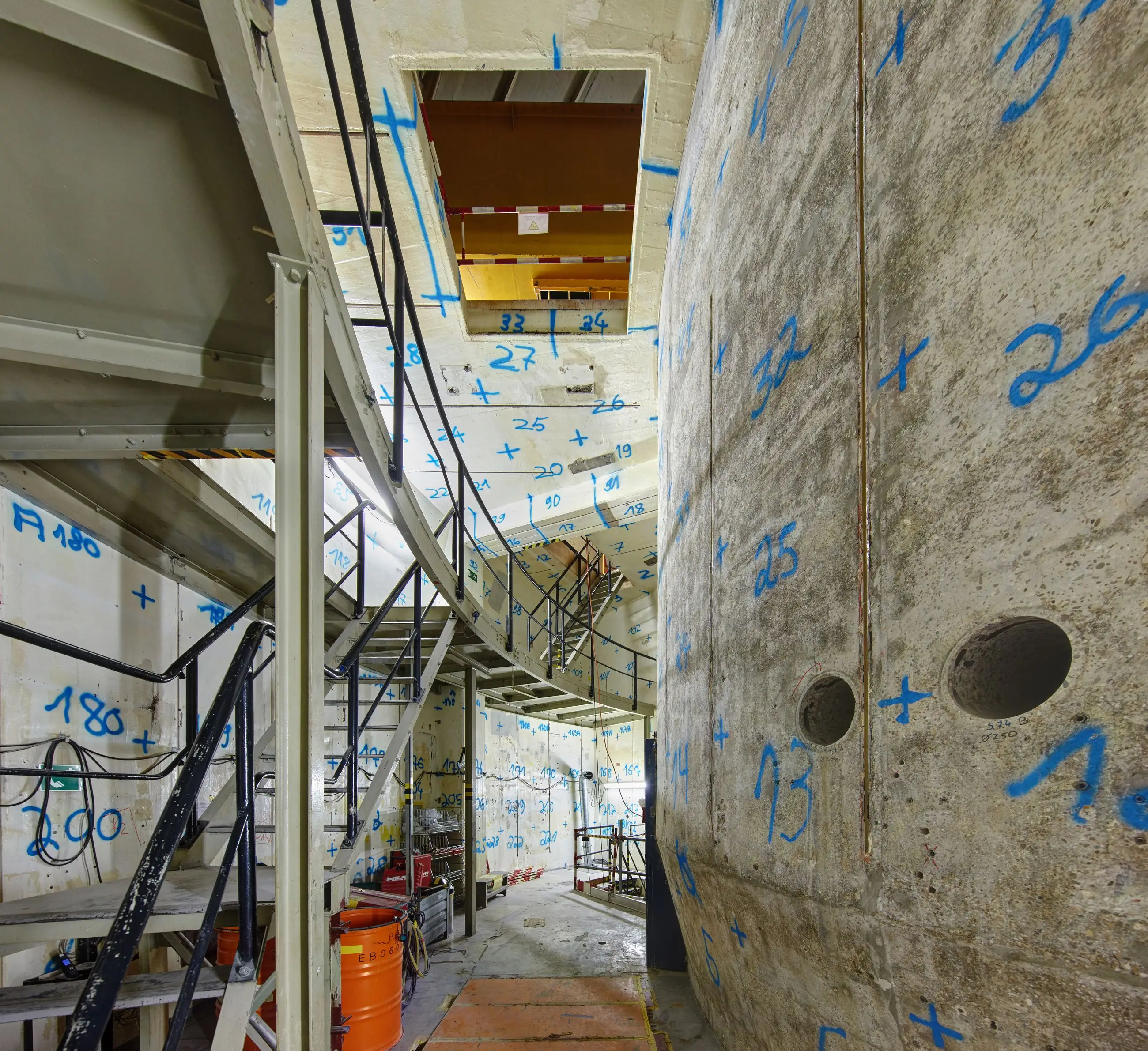
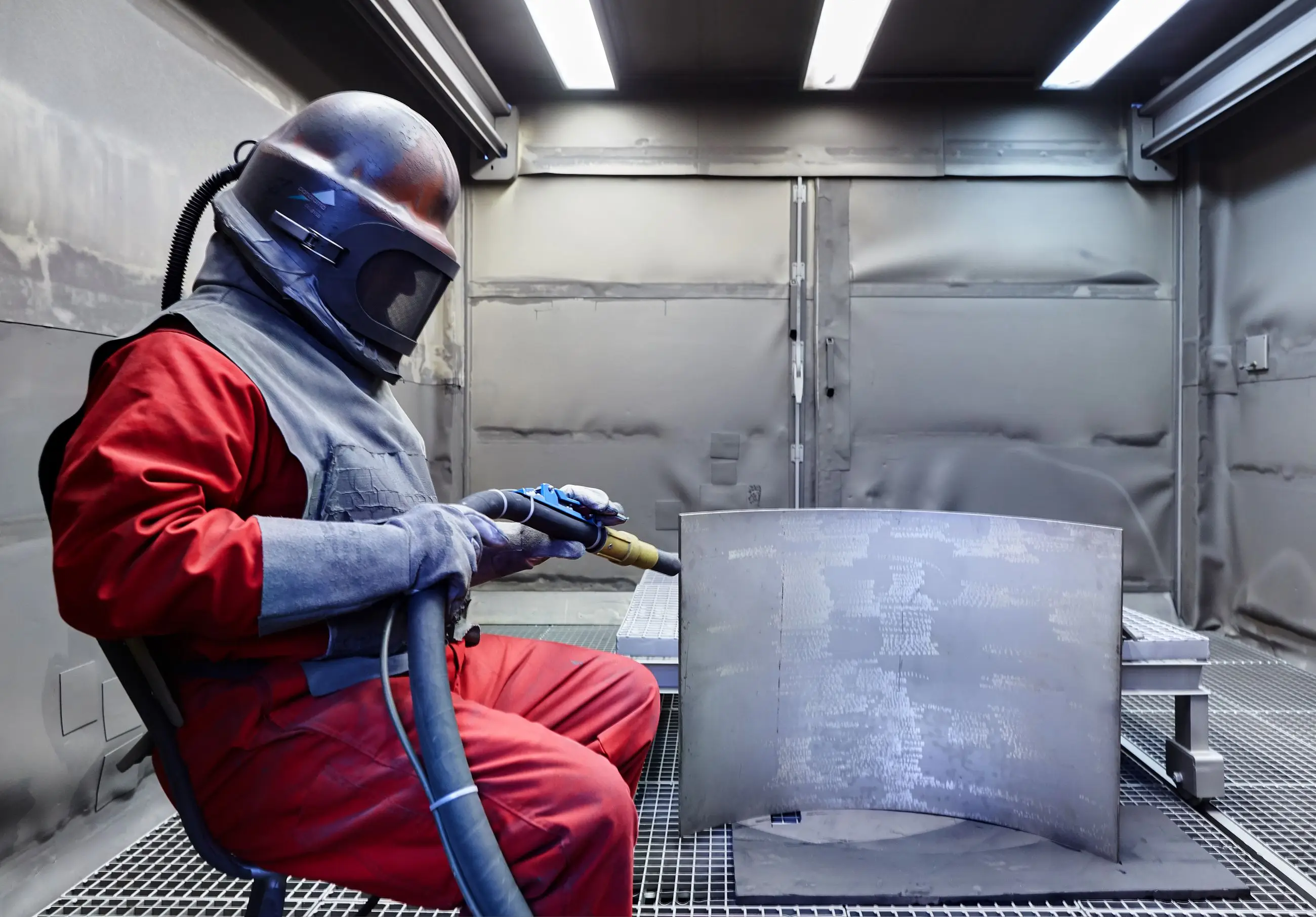
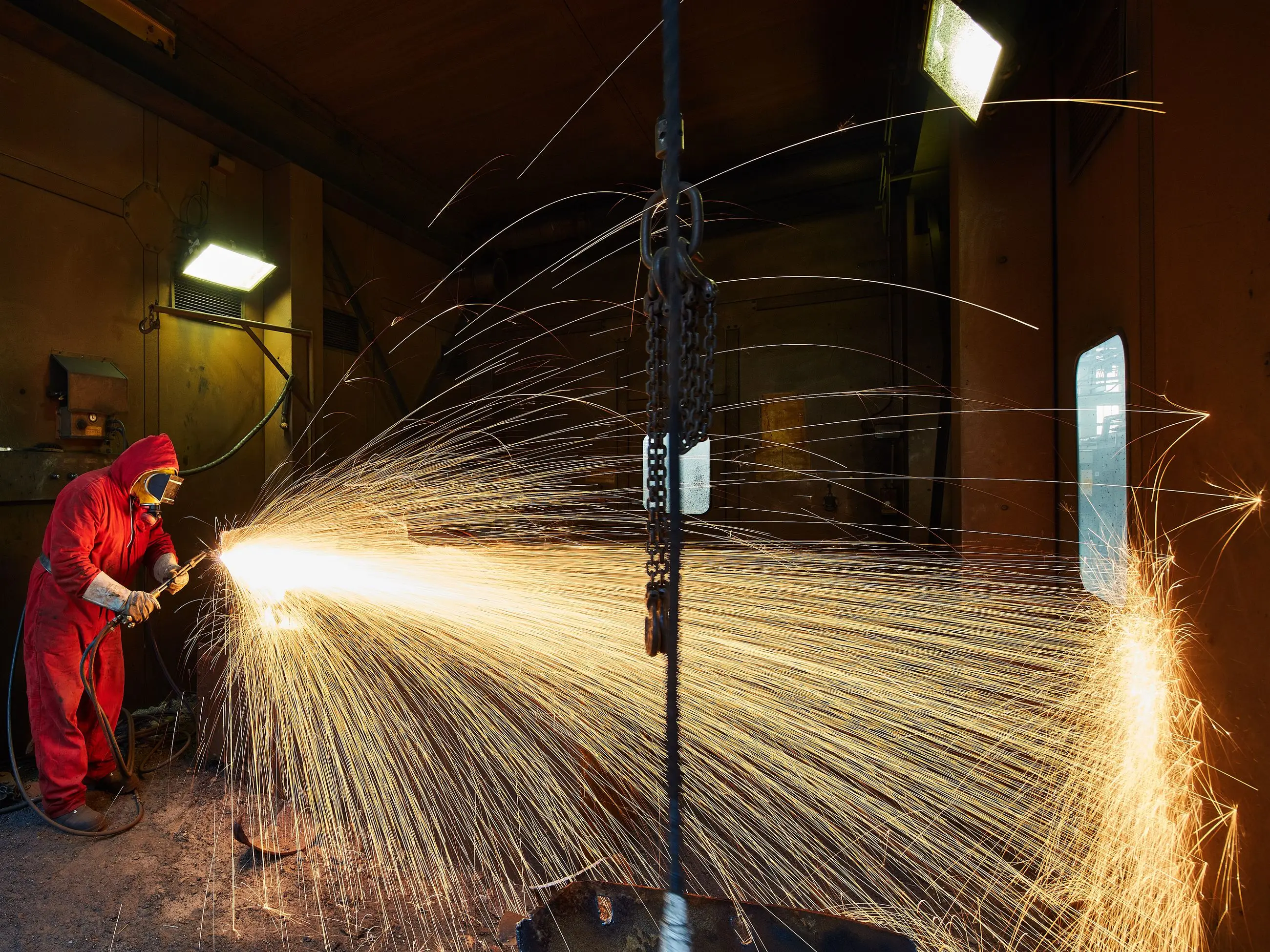
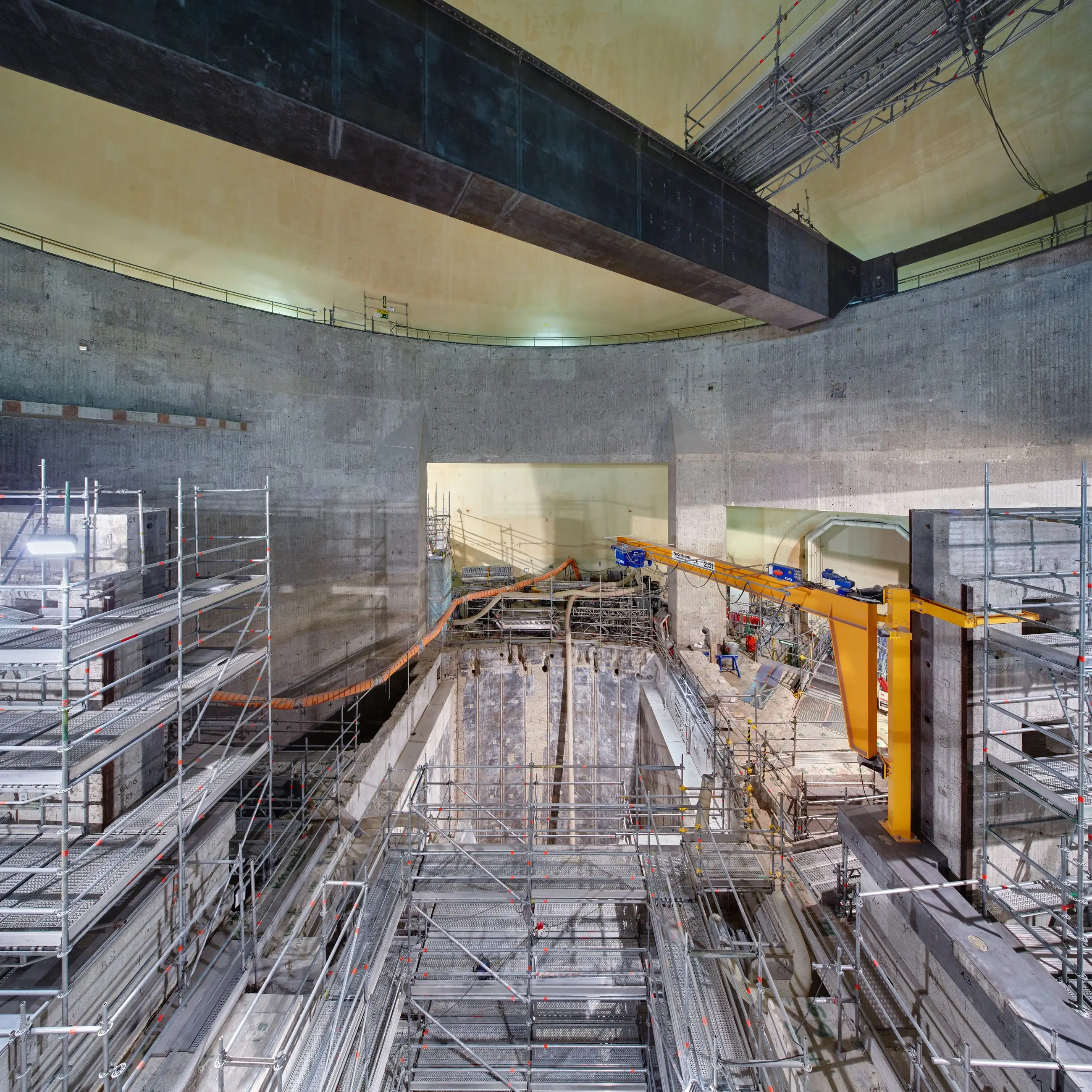
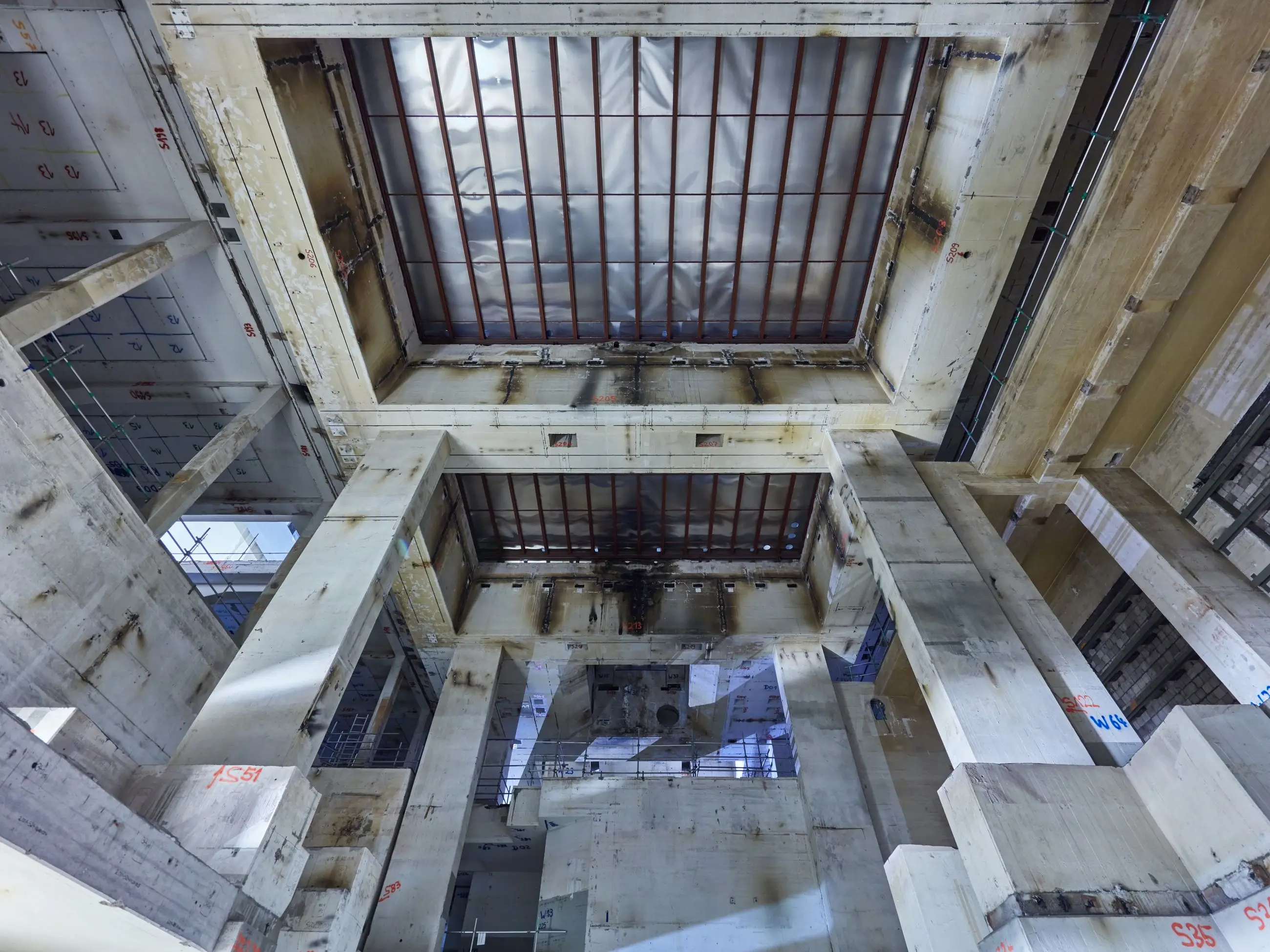
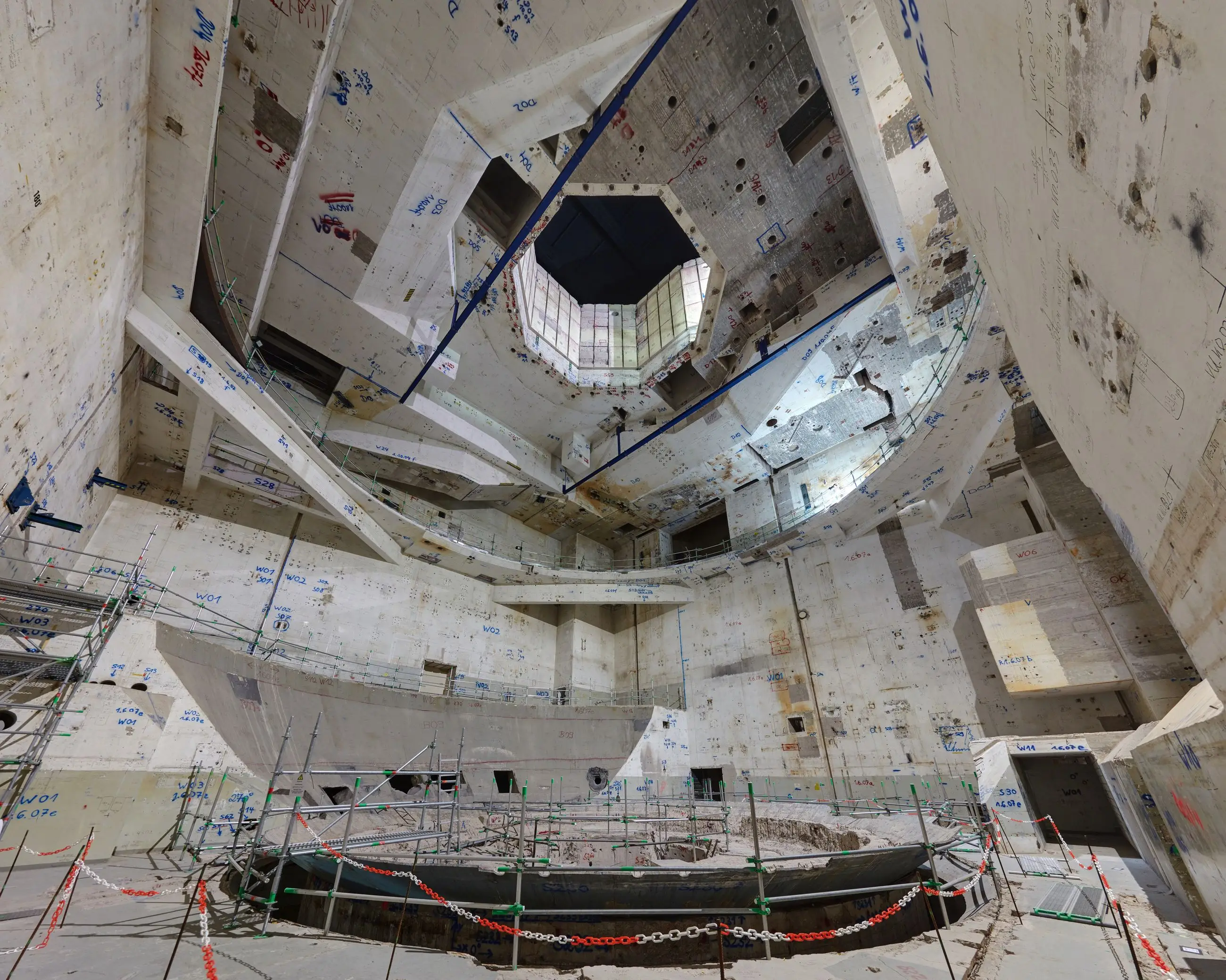
Ein Atomkraftwerk besteht primär aus Bergen von Beton und Stahl, und nur ein sehr kleiner Teil wird im Betrieb selbst radioaktiv. Beim Rückbau gilt es also, möglichst viel unbelastete Substanz abzutrennen. Dazu werden etwa die Farbschichten von den Wänden gemeißelt, und die meisten Komponenten zerlegt, gereinigt und abgestrahlt. Am Ende muss alles strahlungsfrei sein und in sogenannte Gitterboxen passen, die dann durch eine Messstation laufen: ein Kraftwerks-Inventar, zerlegt in eine endlose Kette mittelgroßer Postpakete. Die oft abgemeißelten Wände dagegen sind hinterher meist wie alte Mondlandungs-Fotos mit Kreuzen in Felder aufgeteilt, in denen die gemessene Rest-Strahlendosis steht. Im Laufe des Prozesses gehen natürlich zunehmend Funktionen verloren. In Mülheim-Kärlich wurden die schweren Luken der Personenschleuse durch eine Brandschutztür ersetzt, in Stade kann man einfach so durchgehen. Der Sicherheitsbehälter steht dort noch, innen befinden sich aber fast nur noch abgemeißelte Wände und abgestrahlter Stahl. Stade war der zweite von später 18 Siemens-Druckwasserreaktoren, und es ist verblüffend, dass etwa der Ringraum und viele bauliche Details hier mit denen im Rohbau von Angra 3 übereinstimmen, das vielleicht 50 Jahre nach Stade in Betrieb gesetzt werden wird. In Würgassen ist der atomare Rückbau schon abgeschlossen. An Stelle eines Sicherheitsbehälters klafft hier ein großer, kugelförmiger Hohlraum im Gebäude. Eine Freundin zeigte mir Handyfotos ihrer Begehung: Büros und Räume, die nach Jahren der Arbeit offenbar plötzlich verlassen wurden, groß gewordene Topfpflanzen, die sich über Dekaden um lichtspendende Fenster gewunden haben und dann vertrocknet sind – Szenen wie aus einem deutschen Pripjat. Kurz vor meinem Besuch wurde ausgeräumt, so dass die Aufnahmen ruhiger und weniger effekthascherisch werden. Im Lager finden sich Säcke voll teurer Probengläschen, die wohl bald im Altglas landen, und ein kleiner Karton mit Lochkarten. Es sind die Mikrofilme der Baupläne, das Lesegerät existiert schon nicht mehr.
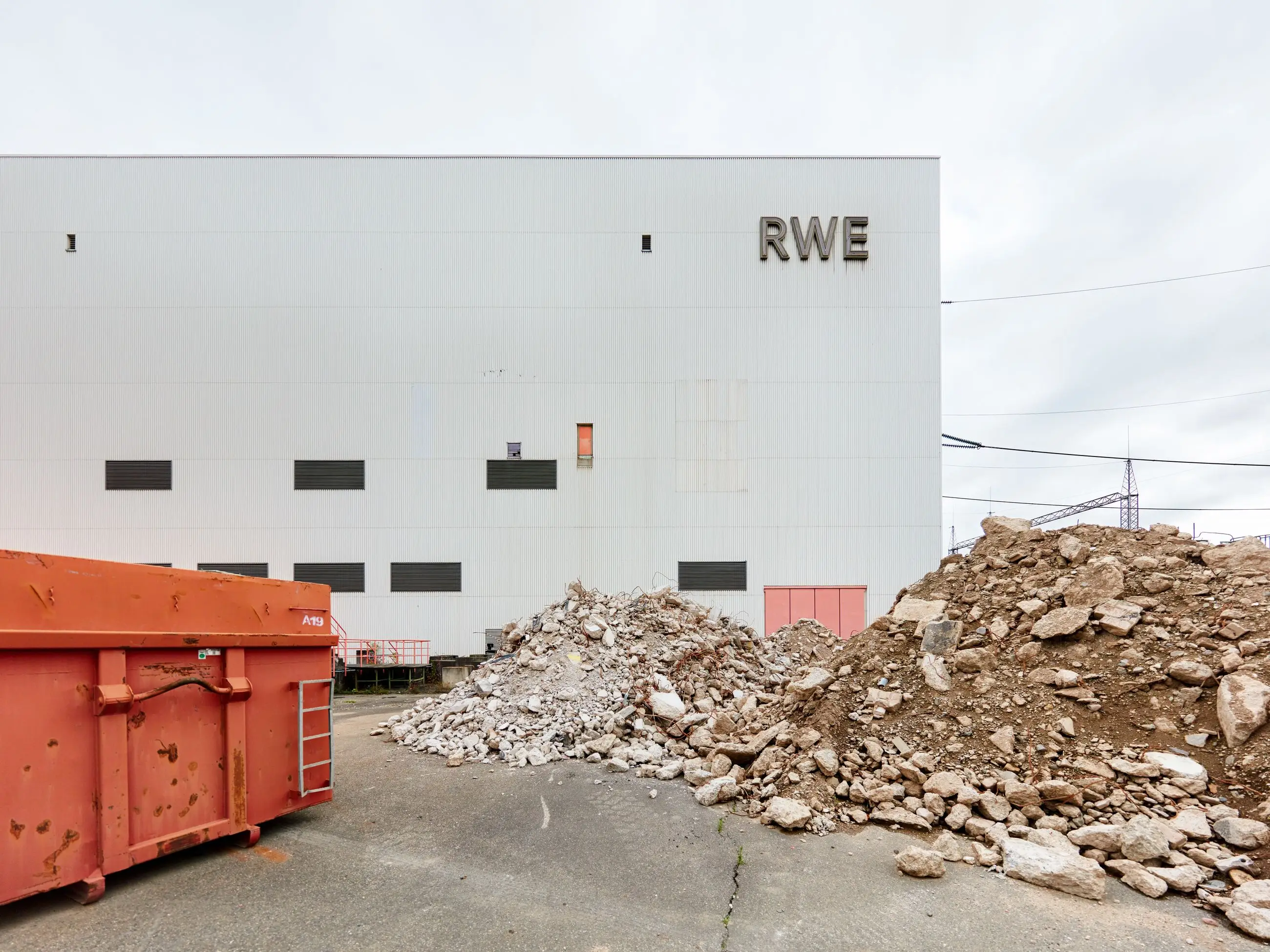
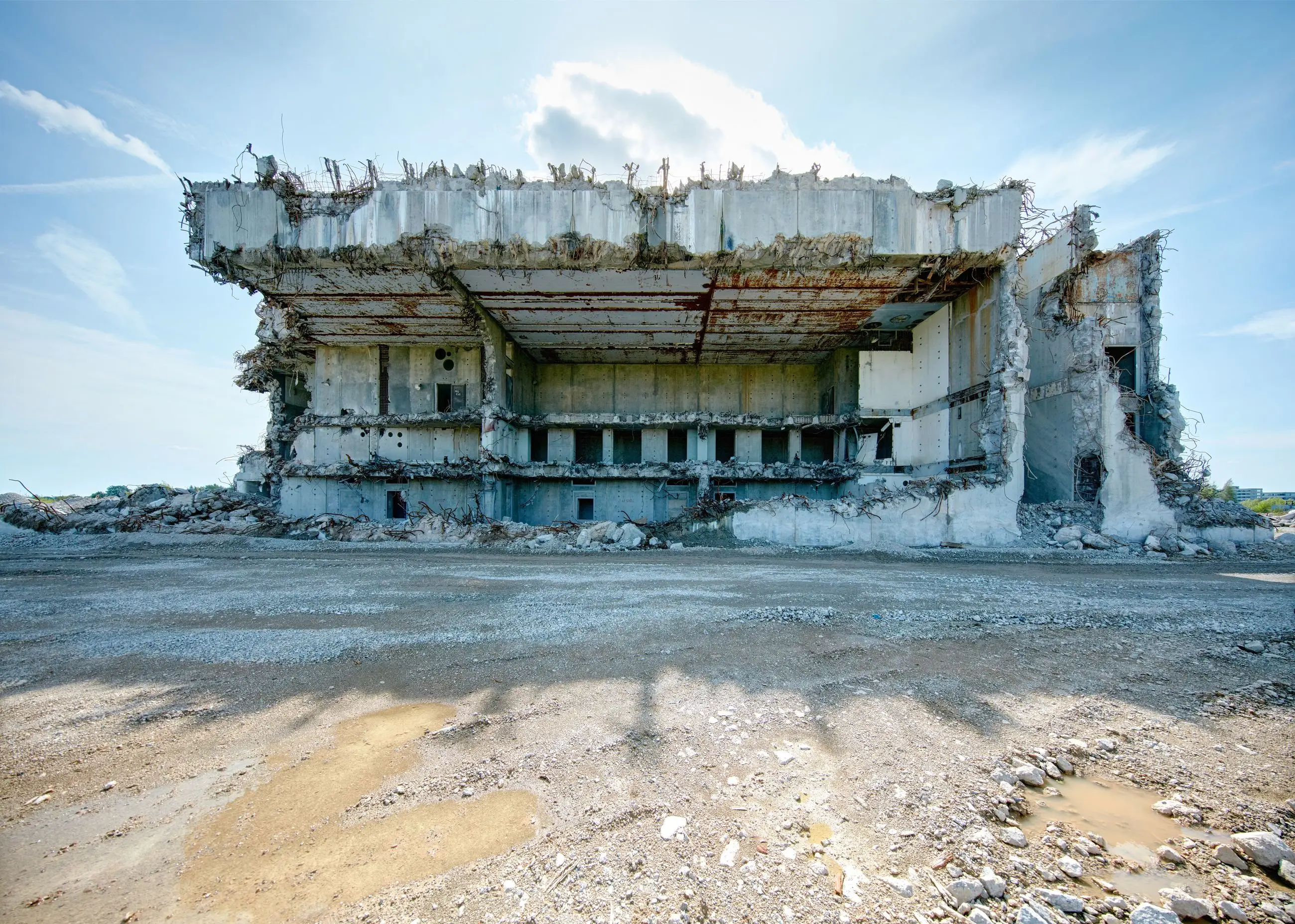
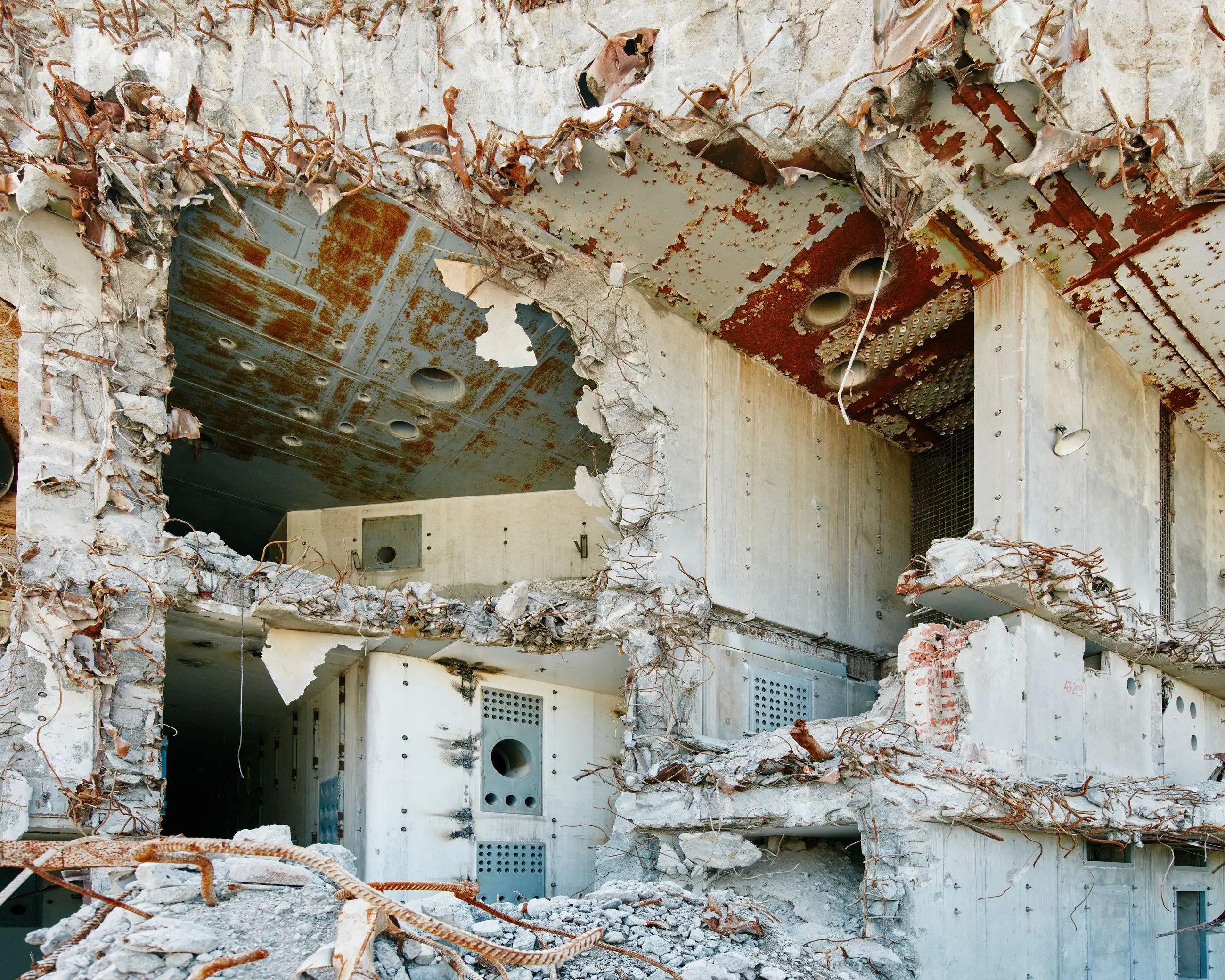
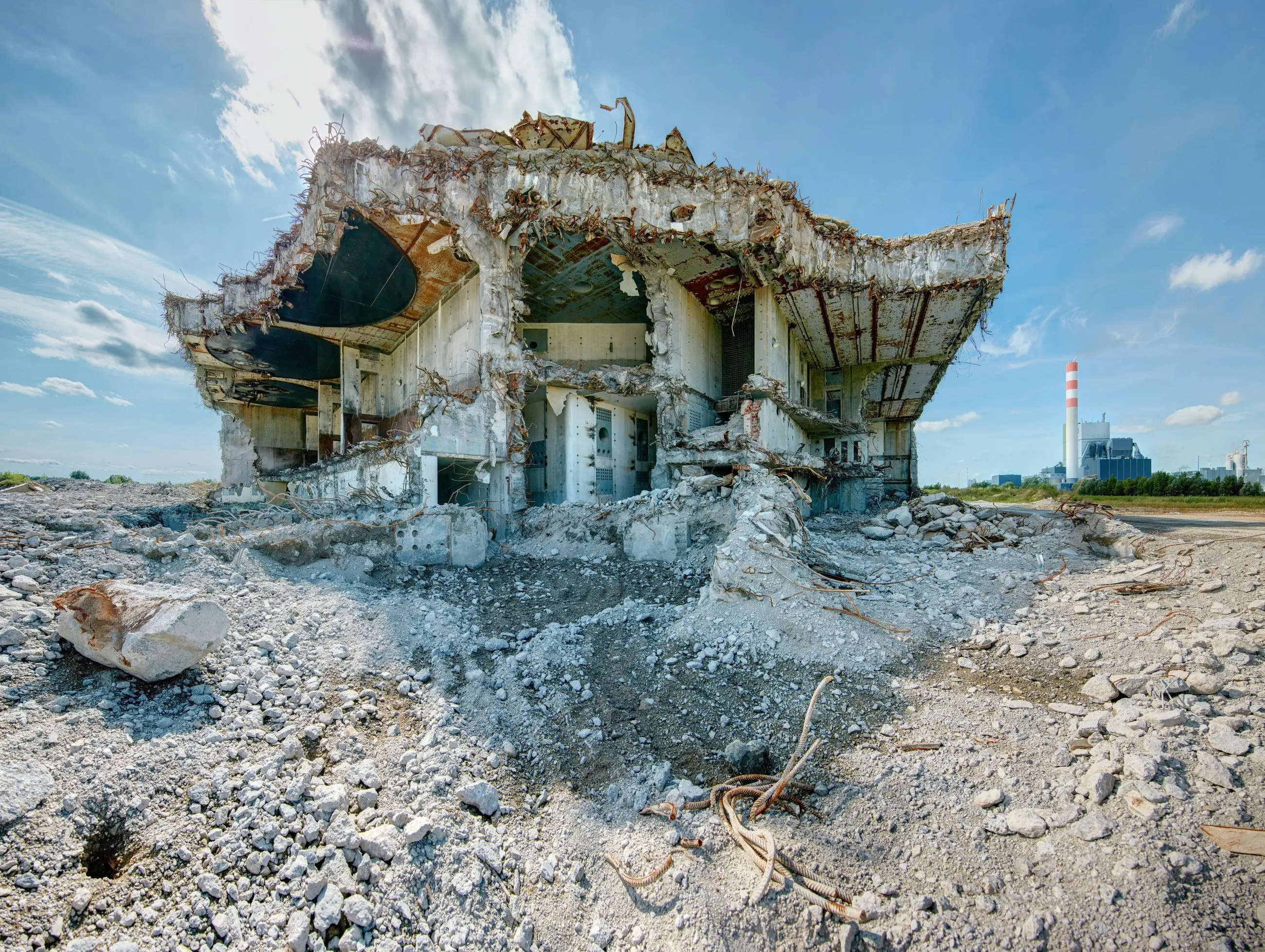
Der letzte Schritt ist oft ein konventioneller Abriss. Die größte solche Abbruchstelle liegt nahe Stendal, was nur wenigen bekannt ist. Die DDR plante hier vier große WWER-Blöcke mit zusammen 4 Gigawatt Leistung. Zum Zeitpunkt der Wende war der erste zu 75 Prozent fertig, der zweite zur Hälfte. Kurzfristig war geplant, beide mit westlicher Leittechnik fertigzustellen und um zwei Konvoi-Anlagen zu ergänzen, diese und alle weiteren Kraftwerkspläne scheiterten aber. Seit vielen Jahren läuft nun der Abriss der verbleibenden Gebäude. Mit etwas Mühe telefoniere ich mich zum Rückbau-Verantwortlichen durch, erwarte aber, nicht mehr viel zu sehen. Als ich nach längerer Anfahrt mit einem der wenigen Busse von Stendal ankomme, finde ich zunächst ein großes Feld vor, dessen Boden aus glattgewalztem, frischen Betonschutt besteht. Hier und da sind Armiereisen zu sehen. Seitlich steht ein Häuschen aus den Siebzigern. Dort treffe ich auf den Verantwortlichen, der gerade die Tomatenernte ins Haus trägt. Daneben stehen ein paar Abbruchfahrzeuge. Es hat den Anschein, als ob hier zwei, drei Personen im Alleingang abreißen, was mit zehntausenden Arbeitern einmal der größte Rohbau des Ostens war. Mit leuchtend grünem Wasser vollgelaufene Keller sind die einzigen Reste der Notstrom-Gebäude. Im Hintergrund ist ein kleiner Flachbau erkennbar. Als ich näher komme, erkenne ich, dass es sich um den noch zwölf Meter hohen Stumpf von Block A handelt. Bizarr verbogene Stahlbewehrungen ragen aus den Abbruchkanten der meterdicken Betondecken. Innen blättert die Farbe von der Decke des Neubaus.
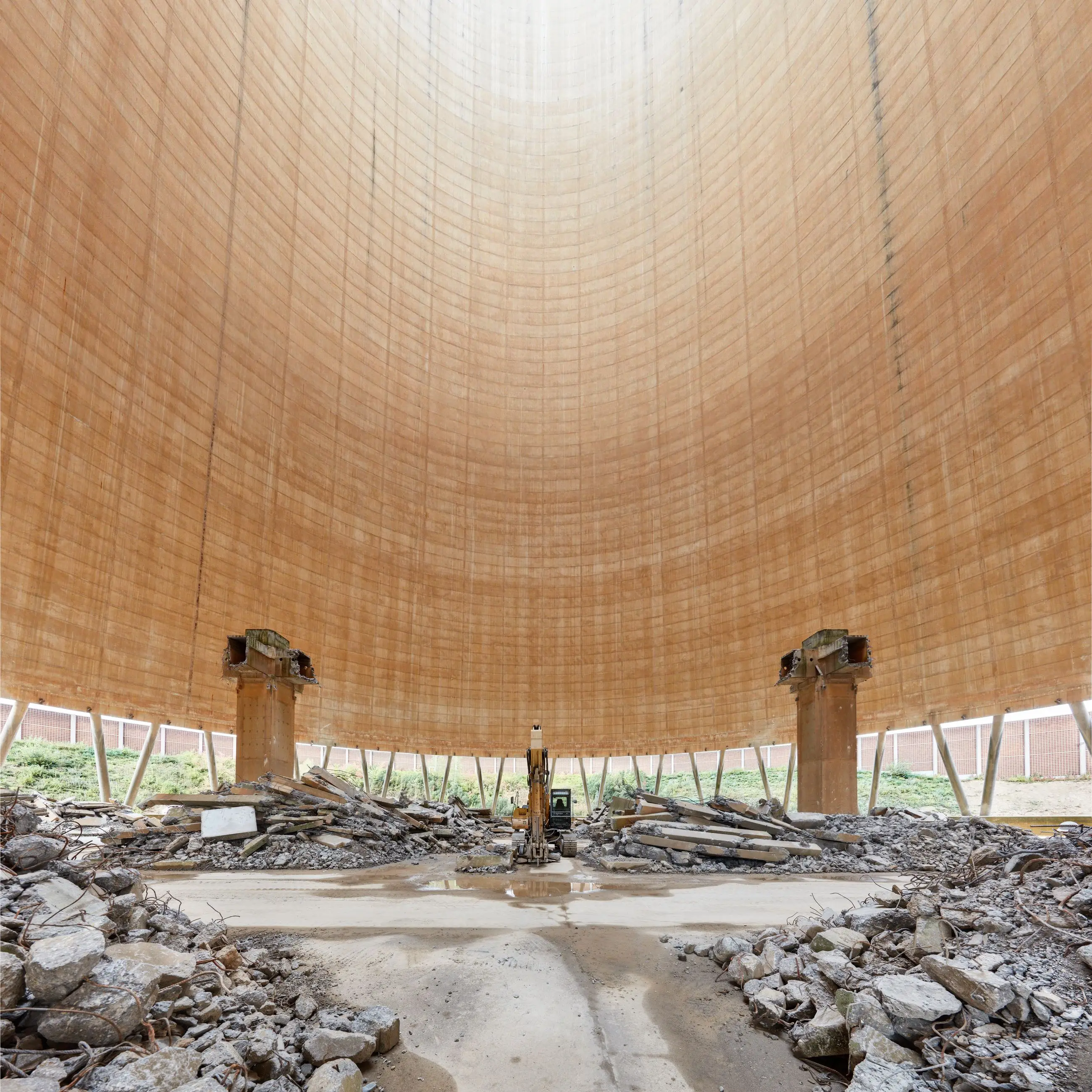
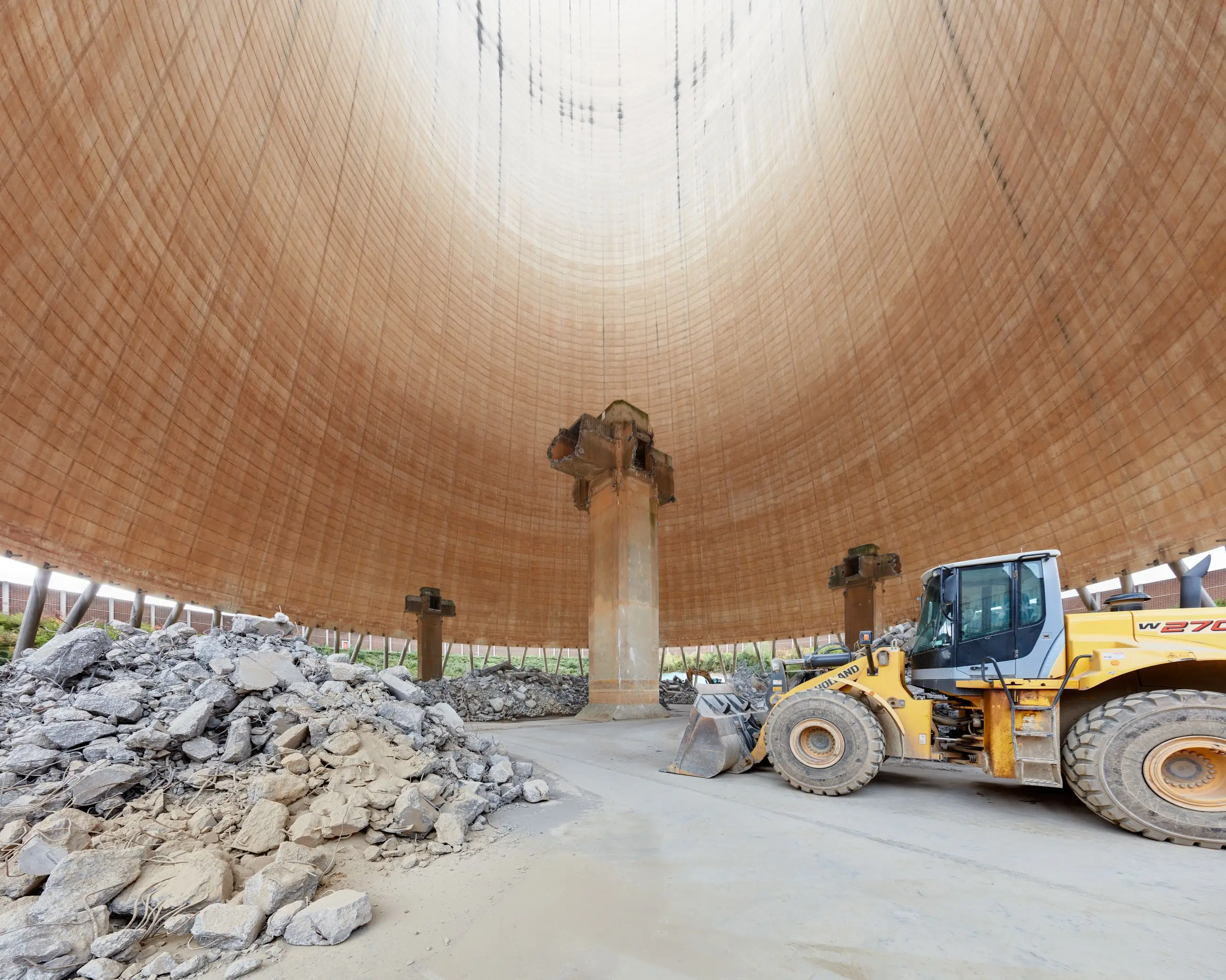
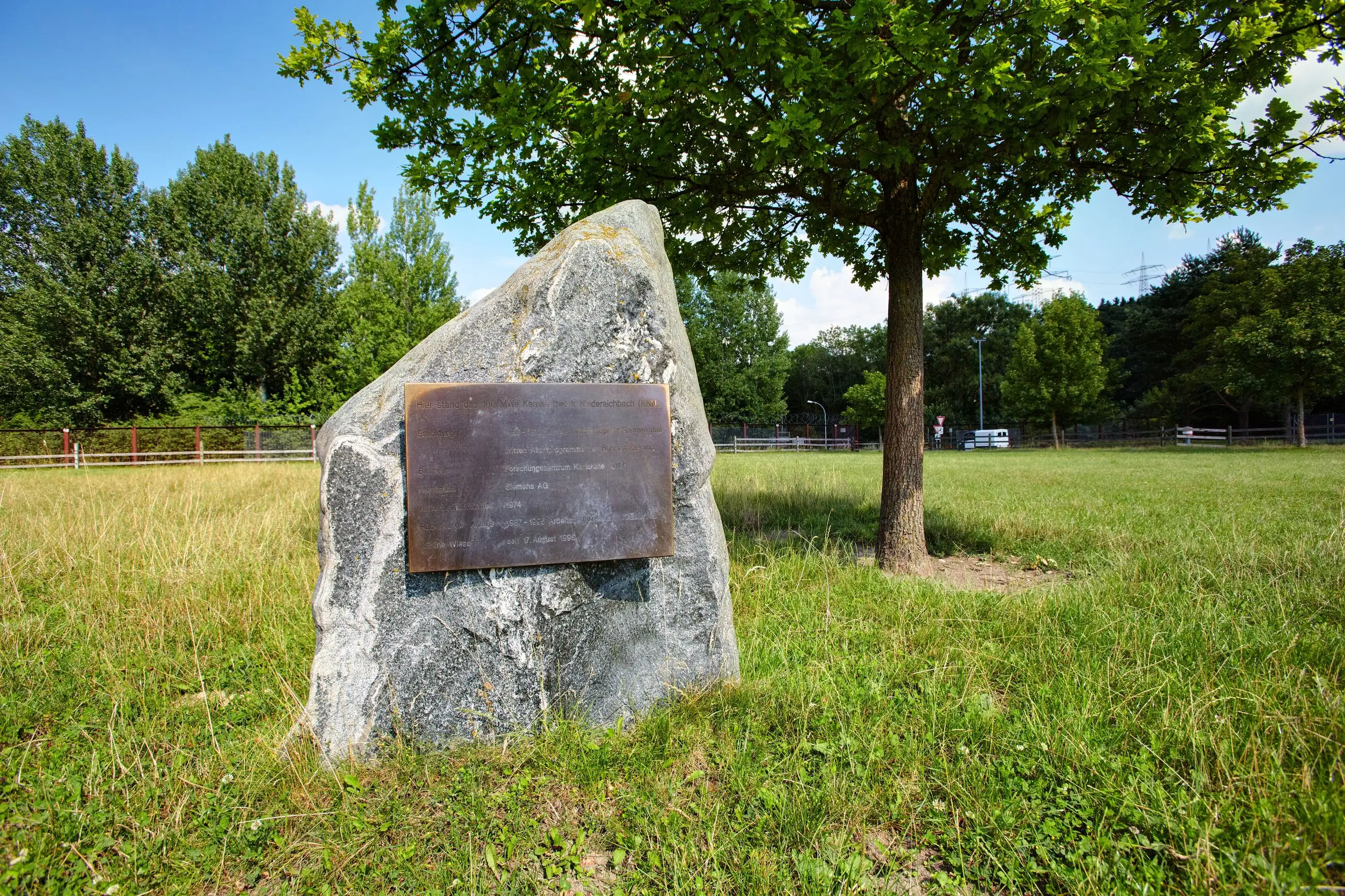
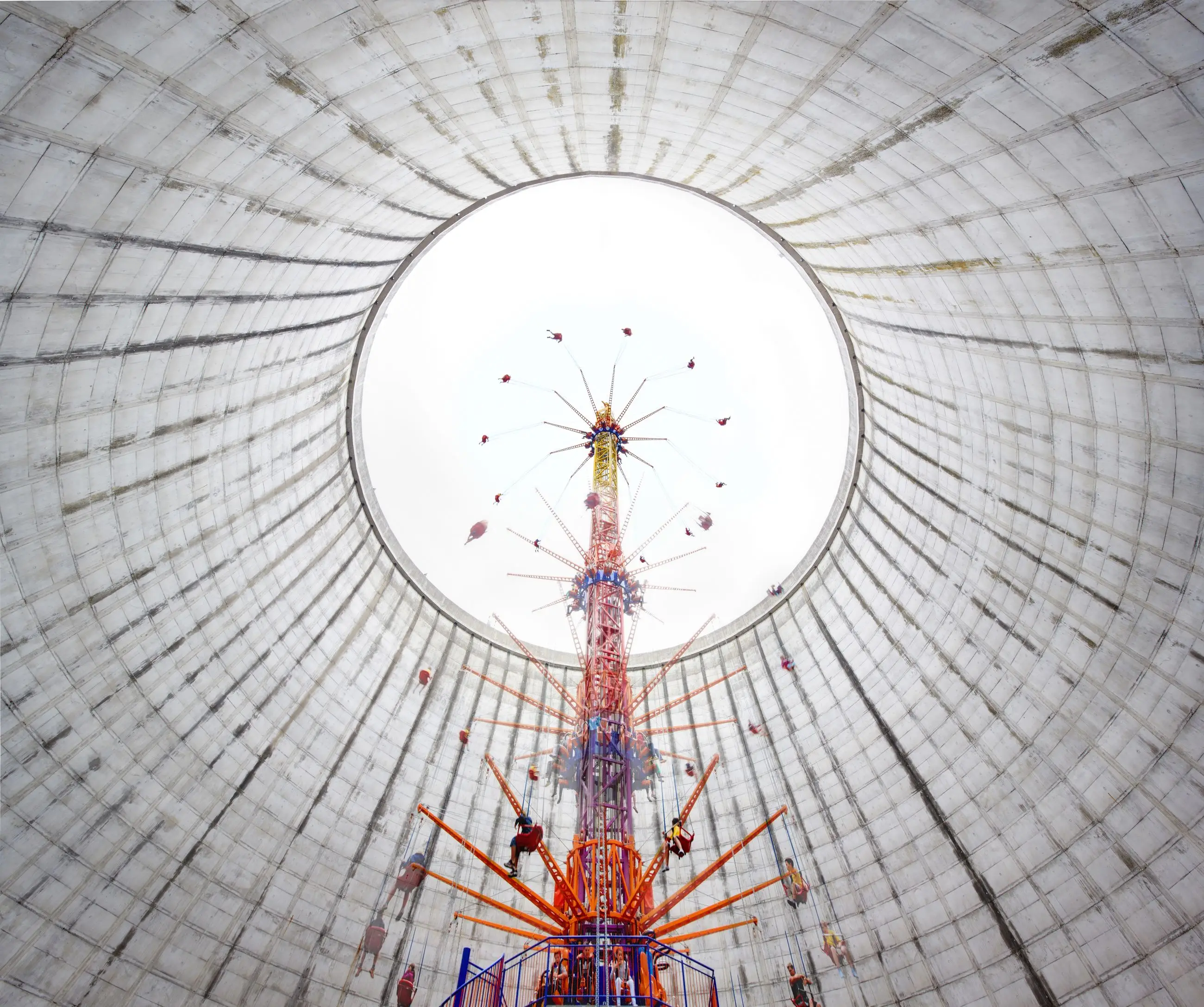
Bisweilen finden sich Nachnutzungs-Möglichkeiten. Der Schnelle Brüter wurde zum „Kernwasser-Wunderland“, einem Freizeitpark. Die inzwischen mit dickem grünen Teppich ausgelegte Warte des SNR-300 beherbergt einen Tagungsraum. An die Außenmauern wurden kleine Fachwerkhäuschen gesetzt, und im Kühlturm befindet sich ein Kettenkarussell. Ich entdecke sogar ein blaues Fläschchen mit hochprozentigem „Reaktorgeist“, der aber nicht mehr vertrieben wird. Auch der Name wurde inzwischen in „Wunderland Kalkar“ geändert, vielleicht auch treffender bei einem Brüter ohne Wasser im Kern. Standardmäßiges Ziel des Rückbaus ist aber die „grüne Wiese“. Nicht immer wird der entstehende Platz genutzt, das Verschwindenlassen ist bisweilen Selbstzweck. In Niederaichbach ist das zu besichtigen. An das einstige AKW erinnert auf der dortigen Wiese ein Gedenkstein. Das Gelände dient nach dem teuren Abriss als Weide. In Stade musste ich nach Außenaufnahmen vor einer Bande dominanter Wiederkäuer fliehen, was nicht unkommentiert blieb: „Ja, Kühe sind in Kernkraftwerken immer die größte Gefahrenquelle.“ Hier, am Gedenkstein, ist das tatsächlich der Fall.
Switch-off heralds the start of a post-operational phase that lasts for several years, during which time the fuel elements decay and are finally removed. Much appears as it was before, but the atmosphere feels more relaxed than when the plant was still fully operational. Later on, dismantling either begins or the building is sealed off and the long wait begins until activity has significantly decreased. The former thorium high-temperature reactor (THTR) near Hamm in western Germany is in such a “safe confinement” state. When I visit the plant, only three employees are left. The power plant itself only operated for a few years, and looks like a hi-tech version of Sleeping Beauty’s castle. Thick, severed power cables can be seen protruding from the wall on the outside. Inside, everything looks brand new. We are able to circle the cylindrical reactor at multiple levels. Walls are adorned from floor to ceiling with a maze of fine stainless steel pipes and measuring displays. Instruments bear the insignia of manufacturers that no longer exist. On one central level we find a scale model of the reactor, elaborately made of graphite; nearby is another, a huge plastic replica of the plant, made before the advent of CAD. Lighting is provided by a row of small grille-covered basement lamps and a power cable with signs every few metres asking that it not be cut. In contrast, all supply lines to the reactor are separated and sealed, as are, in the hall above the core, the steam generators that once towered above it. A 100-ton crane is suspended from the hall ceiling, like new, its glass cockpit accessible only with difficulty by means of numerous ladders. When was the last time anyone sat up there? The changing areas have already been cut off from the power supply. We enter them with the aid of a flashlight: clean, new-looking rooms painted in the light shade of beige that was in vogue in the early 1980s; lots of stainless steel, reminiscent of a swimming pool by night. The expensive insides of the full-body scanners have been gutted and sold, everything else is still here. “Look,” my supervisor says after searching around for a moment, pointing to the label above a coat-hook. “This one was mine.”
A nuclear power plant consists primarily of mountains of concrete and steel. Only a very small part of it actually becomes radioactive during operation. This means that during the decommissioning process it is important to separate as much uncontaminated material as possible. For example, potentially contaminated layers of paint are chiselled off the walls, and most components are dismantled and then blast-cleaned. In the end, everything has to be made free of radiation and placed in so-called grid boxes, which then pass through a measuring station: an entire power station inventory, dismantled into an endless chain of parcel-sized packages. The chiselled-off walls, on the other hand, are divided into fields by means of crosses, like the old photos of the moon landings, and the residual radiation level is noted across each field. In the course of this process, more and more operational functionality is lost. At the Mülheim-Kärlich power plant in western Germany, the heavyweight hatches of the former manlock have been replaced by a fire door. At the Stade power plant in northern Germany, there are no doors left at all. The containment unit is still there, but inside there is almost nothing but chiselled walls and blast-cleaned steel. Stade was the second of the last 18 pressurised water reactors built by Siemens. It is astonishing to see that the plant’s annular space and many structural details closely resemble those in the carcass of Angra 3 in Brazil, which might eventually be commissioned 50 years after Stade. At the Würgassen power station in central Germany, nuclear dismantling has already been completed. Instead of a containment unit, the building houses a large, spherical cavity. A friend showed me some photos she had taken with her mobile phone when she visited the site: offices and rooms that looked like they had been abruptly abandoned after years of operation, potted plants that had grown out of control, wrapping themselves around windows for decades before finally drying up – scenes like a German version of Pripyat. Shortly before my own visit the site had been cleared out, so that the images I took have a calmer, less sensationalist look about them. The warehouse is home to sacks full of expensive sample jars which will soon end up in the glass recycling, and a small cardboard box containing old punch-cards. They hold microfilms of the plant’s construction plans; the device for viewing them no longer exists.
The final stage of decommissioning involves conventional demolition. Few people know that the largest site of this kind is near Stendal, in the former East Germany. The GDR had planned four large VVER-type units with a total output of 4 gigawatts. By the time of German reunification, the first one was 75 percent finished, and the second was half-constructed. It was briefly planned to complete both units with Western control technology, but the idea was soon dropped. The demolition of the remaining buildings has been under way for many years now. With a little effort I am able to find the person responsible for the dismantling process. I am allowed to visit the site, but don’t expect to see very much left. When I arrive on one of the few buses that make the long journey from the town of Stendal, I find a large area whose surface consists of a layer of fresh, flat-rolled concrete rubble. Here and there I can make out steamrollered reinforcing iron bars. A small house dating from the 1970s is on one side. This is where I meet the person in charge. He is just taking his tomato crop inside. Next to the house are some demolition vehicles. It looks as if two, maybe three people are in the process of tearing down almost single-handedly what was once the largest building shell in East Germany, put there by tens of thousands of construction workers. Basements filled with luminous green water are all that remains of the emergency diesel power buildings. Further off I can see a small flat structure. As I get closer, I realise that this is the stump of Unit A, still 12 metres high. Weirdly bent steel reinforcements protrude from the demolished edges of the metre-thick concrete floors. Inside, the paint is peeling away from the ceiling of the building.
Occasionally I come across disused facilities that have been given a new lease of life. For example, the SNR 300 fast breeder at Kalkar, near Düsseldorf, has been turned into an amusement park. The former control room, now lined with a thick green carpet, has been turned into a conference hall. Small, half-timbered houses have been built next to the outer walls, and the cooling tower now houses a swing ride. I even discover a blue bottle containing a brand of schnapps called “Reaktorgeist” (“reactor spirit”). The normal aim of dismantling, however, is to recreate a greenfield site. The resulting space is not always used; the disappearance of the building is sometimes an end in itself. This is the case at Niederaichbach in southeast Germany, where a memorial stone marks the site of a former nuclear power plant. After an expensive demolition process, the area now serves as pasture. In Stade I had to flee from a gang of domineering ruminants, which did not go uncommented: “Yes, cows are always the greatest hazard you’ll find at a nuclear power plant.”. Here, at the memorial stone, this is actually true.
BilderImages